What three nights in Pelling really cost
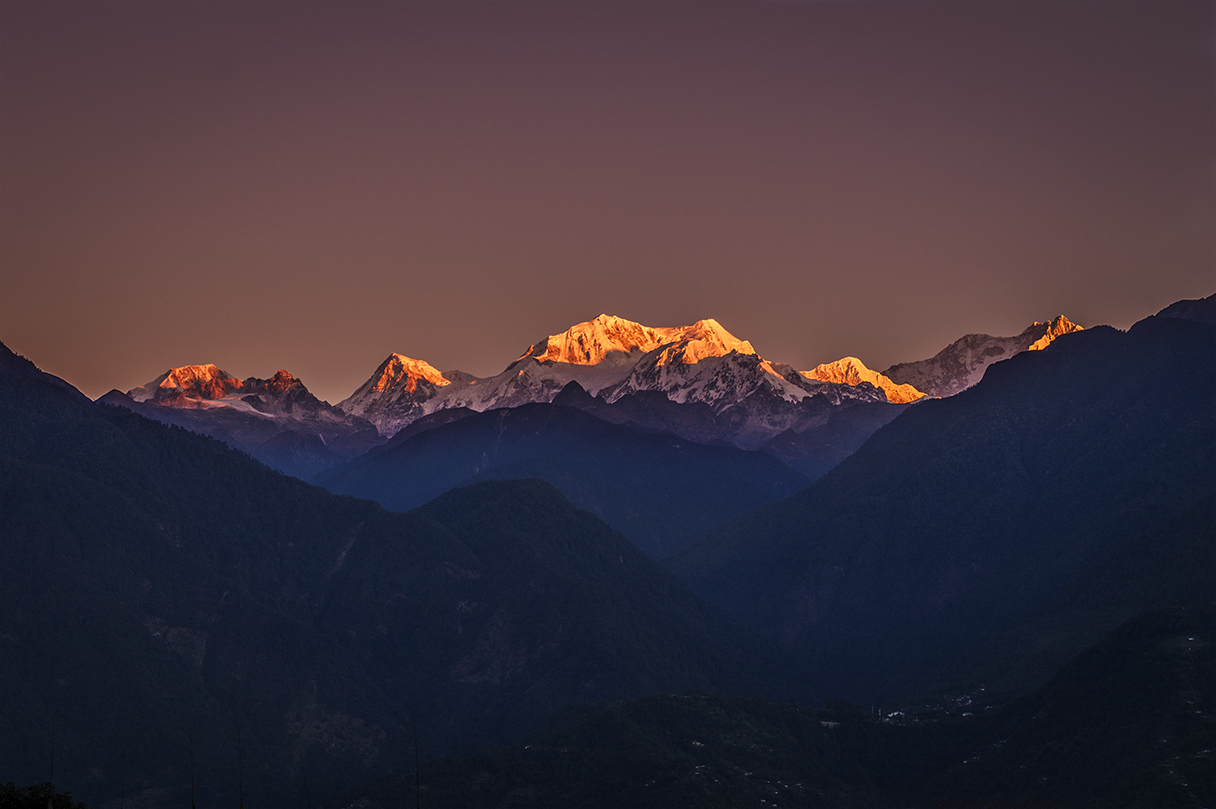
Pelling sits at about 2,150 m on a ridge 10 km above Gyalshing, the headquarters of Gyalshing district (West Sikkim). It is the most visited town in the west because the Kangchenjunga range fills the northern sky on clear mornings, and Pemayangtse Monastery and the Rabdentse ruins are a short walk from the hotels. That popularity also means prices swing hard with the season.
We plan many Pelling trips for families and friends on tight budgets, and the pattern is always the same. Transport from the plains takes the biggest share, rooms come second, and food, permits and entry tickets together rarely pass ₹1,500 per person for a three-night stay. The table below shows the three levels we see most often, per person, twin sharing, for three nights from Siliguri or New Jalpaiguri (NJP) and back. These are indicative 2026 figures: check current status before you travel.
| Item (per person, 3 nights) | Tight budget | Comfortable budget | Value |
|---|---|---|---|
| Getting there and back | ≈ ₹1,000–1,300 (shared jeeps) | ≈ ₹2,500–3,500 (shared car or split taxi) | ≈ ₹5,500–6,500 (private small car) |
| Room, 3 nights | ≈ ₹2,200–3,000 | ≈ ₹3,500–4,500 | ≈ ₹6,000–9,000 |
| Sightseeing | ≈ ₹700–1,000 (shared tour seats) | ≈ ₹1,500–2,000 (split car) | Included in car hire |
| Food | ≈ ₹1,200–1,500 | ≈ ₹1,800–2,400 | ≈ ₹2,500–3,500 |
| Entry fees and Sikkim entry fee | ≈ ₹250–400 | ≈ ₹250–400 | ≈ ₹250–400 |
| Total | ≈ ₹5,500–7,000 | ≈ ₹9,500–13,000 | ≈ ₹15,000–20,000 |
Getting there without a private car
Pelling is about 135 km from NJP and about 145 km from Bagdogra Airport, a 5–6 hour drive through Sevoke, Melli, Jorethang, Legship and Gyalshing. A reserved small car from NJP or Bagdogra to Pelling costs roughly ₹5,000–6,500 one way and an SUV ₹6,500–8,500, which is fine for four people and heavy for two.
The cheaper route is the shared jeep. Jeeps for Jorethang and Gyalshing leave from the Sikkim jeep stands in Siliguri (near the SNT bus terminus) through the morning, and a seat to Gyalshing costs about ₹400–600. From Gyalshing a local jeep or taxi covers the last 10 km to Pelling for about ₹50–100 a seat or ₹400–500 for the whole car. Leave Siliguri by 10 am, because afternoon departures thin out and you do not want to be on the hill roads in the dark.
The road between Sevoke and Melli is part of NH10, which closes in the monsoon after slides. When it is shut, cars and jeeps go up through Kurseong and Darjeeling and drop to Jorethang, which adds one to two hours and a little to the fare. Ask at the stand the evening before and check current status before you travel.
Rooms: where the money goes
Pelling has three clusters. Upper Pelling, around the helipad ground and the main bazaar, has the most budget hotels and the best mountain views from the cheaper rooms. Middle Pelling and Lower Pelling, along the road down to Gyalshing, are a little quieter and often ₹300–500 cheaper. A clean double with hot water costs roughly ₹1,500–2,500 a night from June to September and in January, and ₹2,000–3,500 in April–May and October–December, when Bengal's holiday weeks fill the town.
Homestays in Darap, a Limbu village about 7 km below Pelling, and in the villages around Khecheopalri Lake charge about ₹1,200–2,000 per person with dinner and breakfast. That is often better value than a hotel room plus restaurant meals, and you eat home food: rice, dal, a seasonal vegetable, gundruk (fermented leafy greens) and pickles.
- Ask for a north-facing room: on a clear morning it is the whole reason to stay in Upper Pelling.
- Confirm hot water hours and whether a room heater costs extra (often ₹200–300 a night).
- Book ahead for Durga Puja, Diwali and the Christmas to New Year week, when walk-in prices can double.
- The ₹50 per tourist Sikkim entry fee is collected by your hotel at check-in and stays valid for 30 days.
We turn this into a priced, day-by-day plan for your dates.
Sightseeing on a shoestring
Much of Pelling is free on foot. From the bazaar you can walk to Pemayangtse Monastery (about 2 km), continue to the Rabdentse ruins, the capital of the Namgyal kings from 1670, and climb the steep forest path to Sanga Choeling Monastery, built in 1697, above the town. The Chenrezig statue and glass skywalk near Sanga Choeling, opened in 2018, charges a small ticket, roughly ₹50–100.
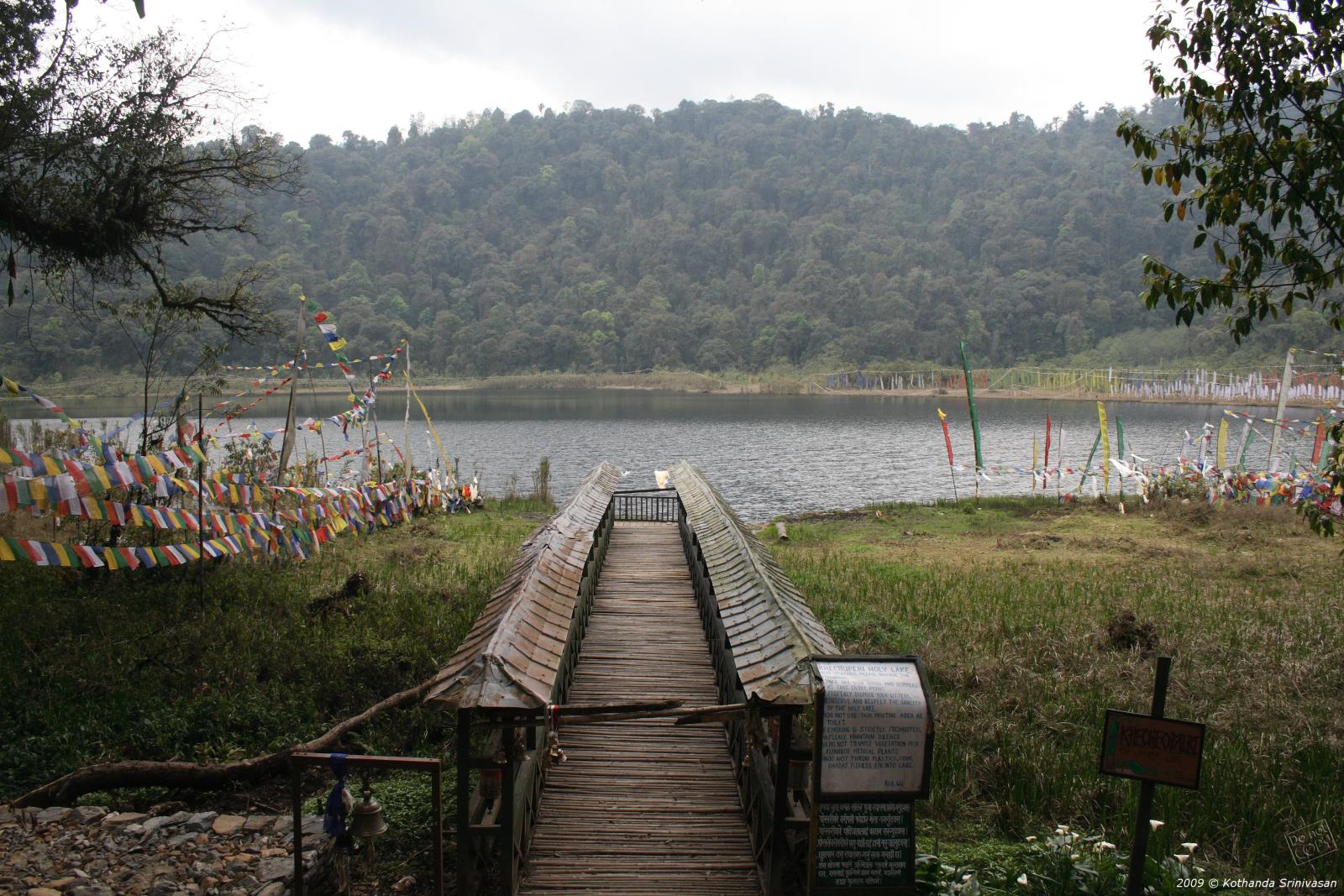
For places further out, the Pelling taxi stand sells fixed-rate tours. The usual menu splits the area into two halves. One covers Rimbi waterfall, Khecheopalri Lake, Kanchenjunga Falls and the Darap valley; the other covers the town sights and the skywalk. A small car for a half-day tour costs roughly ₹2,500–3,500, and a full day to Yuksom and back about ₹4,000–5,000. In season some drivers sell individual seats on these tours for about ₹500–800 each, which is the cheapest way to see Khecheopalri if you are only two.
- Pemayangtse Monastery: small donation or ticket, roughly ₹20–50
- Rabdentse ruins: ASI-protected site, small ticket (about ₹25 for Indians)
- Khecheopalri Lake: small entry and parking fee
- Skywalk and Chenrezig statue: roughly ₹50–100
Eating well for ₹400–600 a day
A veg thali in the bazaar costs about ₹150–250 and a non-veg thali ₹250–350. Momos run ₹80–150 a plate, thukpa ₹100–150, and tea ₹20–30. Hotel restaurants in Upper Pelling charge 30–50 per cent more than the small places around the taxi stand, for food that is rarely better. If breakfast comes with your room, two simple meals in the bazaar will keep a day's food at ₹400–600 per person.
Try sel roti (a ring-shaped rice bread) at morning tea shops, chhurpi (hard yak or cow cheese) at grocery counters, and local squash. Carry a refillable bottle: most hotels will fill it with filtered water.
When prices drop, and the catch
The cheapest months are June to mid-September, when rooms fall to their lowest and most tour groups stay away. The catch is cloud: in the monsoon you may not see Kangchenjunga at all, and slides can close the roads for hours. January and February are the better bargain. Rooms are 20–30 per cent below peak, mornings are often clear and cold (around 2–5 °C at dawn), and snow sometimes dusts the ridge.
Mid-October to early December has the clearest skies and the highest prices. If you must travel then, book early, avoid the Puja holiday week and consider a homestay in Darap or Khecheopalri, where rates move far less than in town.
A ₹9,000 three-night plan
This is the trip we suggest most often to two people on a budget. Day 1: shared jeep from Siliguri to Gyalshing, local jeep to Pelling, evening walk to the helipad ground. Day 2: sunrise view, walk to Pemayangtse and Rabdentse, afternoon climb to Sanga Choeling and the skywalk. Day 3: a shared or split car to Rimbi, Khecheopalri Lake and Kanchenjunga Falls. Day 4: early jeep back to Siliguri.
At a ₹2,400 room with breakfast, one split sightseeing car and simple meals, two people spend about ₹8,500–9,500 each. Our own budget Pelling package runs to similar money with a car for the sightseeing day and someone to call if a road closes.
If you have one more day and a little more money, add a night in Yuksom, 35 km and about 1.5–2 hours beyond Pelling. Shared jeeps from Gyalshing to Yuksom cost roughly ₹100–200 a seat, homestays there charge ₹1,200–2,000 per person with meals, and the walk up to Dubdi Monastery and the Norbugang coronation site costs nothing. It turns a sightseeing trip into a short history lesson about the first Sikkimese kingdom for under ₹2,500 extra.
Rules, fees, fares and road status change often. Check current status before you travel.