Kaluk is a small bazaar village at about 1,550 m in Soreng district, 3 km below Rinchenpong and about 118 km from Gangtok. It has the area's best village resorts, Kangchenjunga views on clear mornings, a strong breeze most evenings and easy walks to Rinchenpong Monastery and the farms around.
Best months
October–December and February–April
Nights we suggest
1–2
From Gangtok
≈ 118 km · 5 h
Altitude
≈ 1,550 m
Known for
Village resorts, Kangchenjunga views, the breeze, cardamom and oranges
Permit
Not needed for Indians; foreigners need Sikkim's RAP (e-FRRO)
Kaluk and Rinchenpong are usually spoken of together, and for good reason: they are 3 km apart on the same ridge, and most travellers sleep in one and walk to the other. Kaluk is the lower, busier half, with a bazaar of a few dozen shops, schools, a Durga temple and the junction where shared jeeps from Jorethang turn up the hill. It sits at about 1,550 m in Soreng district, which was part of West Sikkim until December 2021.
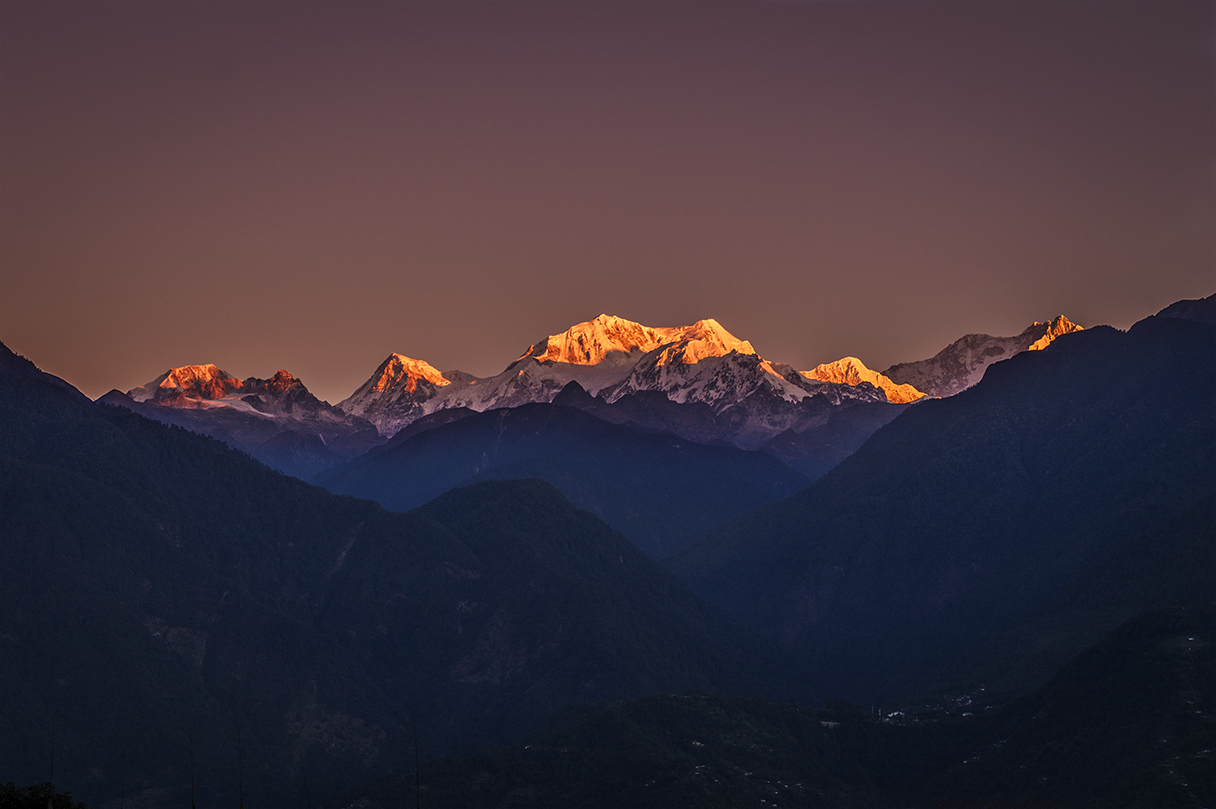
What Kaluk adds is comfort. The area's two best-known village resorts, Ghonday and Mandarin, are here, with private bathrooms, restaurants and parking, which matters for families and older travellers. From their gardens the Kangchenjunga range lines up across the valley on clear mornings from October to April. Wikipedia describes Kaluk as one of the windiest places in Sikkim, and evenings on the ridge do feel it.
People in Kaluk are mostly Sikkimese Nepali families, with Bhutia and Lepcha households among them, and most live by farming. Around the village you see maize and millet terraces, orange trees by the houses and large cardamom under alder shade on the cooler slopes. It is not a sightseeing town: come to rest, walk, eat well and use it as a base for Rinchenpong, Reesum Gumpa and Sribadam.
Highlights
What to see and do
The ridge walk to Rinchenpong
A 3 km road and footpath climb links Kaluk with Rinchenpong, about an hour up at an easy pace. Go early for the range in front of you, carry on to the 1730 monastery with its Ati Buddha, and take a shared jeep or car back down if your legs are done.
Village resorts with a view
Ghonday Village Resort and Mandarin Village Resort give Kaluk the area's most comfortable rooms, with restaurants and gardens facing the Kangchenjunga range. Rooms cost about ₹3,000–5,500 a night. They suit families and older travellers who want private bathrooms and a car at the door.
Kaluk bazaar
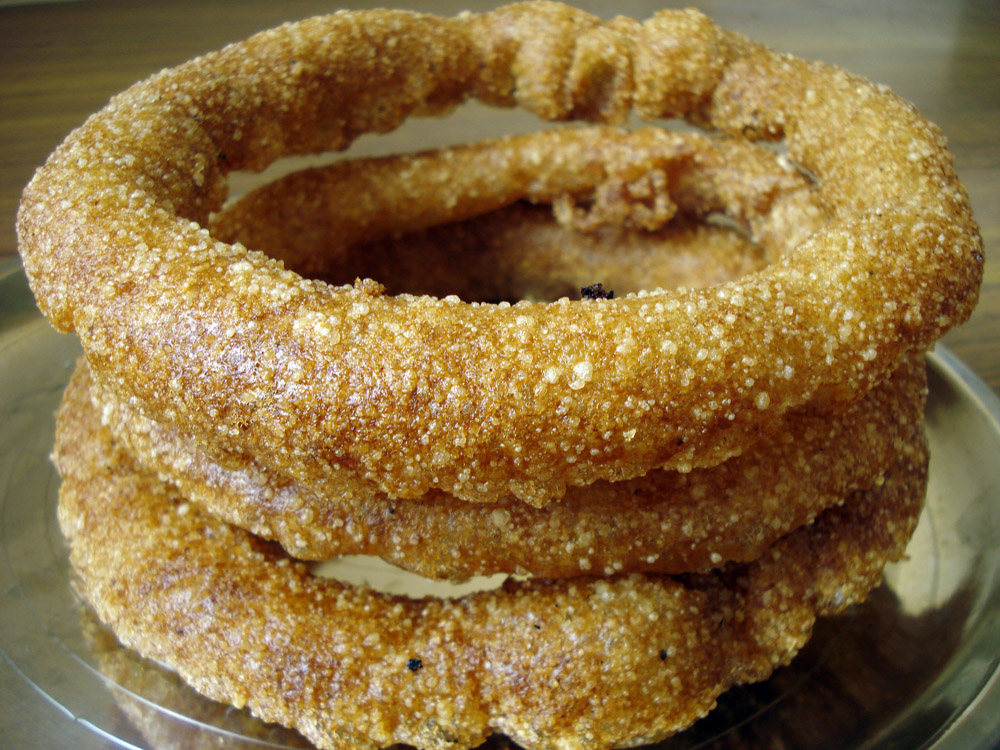
A short street of grocery shops, tea stalls and small eateries where shared jeeps stop. Try sel roti, the ring-shaped rice bread, with tea in the morning, and momos or thukpa at lunch for ₹80–200. In season, buy local oranges and dried cardamom by weight.
Cardamom and orange farms
Around Kaluk you can see large cardamom growing under alder shade and orange trees beside farmhouses. Ask your host to arrange a short farm visit; autumn is cardamom harvest and drying time, and oranges ripen from about November to January.
Reesum Gumpa and Sribadam nearby
Reesum Gumpa, on the hilltop above Rinchenpong, and Sribadam, with its Kagyu monastery and a trout farm, are each 15–30 minutes by car. Both make easy half-day outings from Kaluk without long drives.
The story of Kaluk
Large cardamom under the alder trees
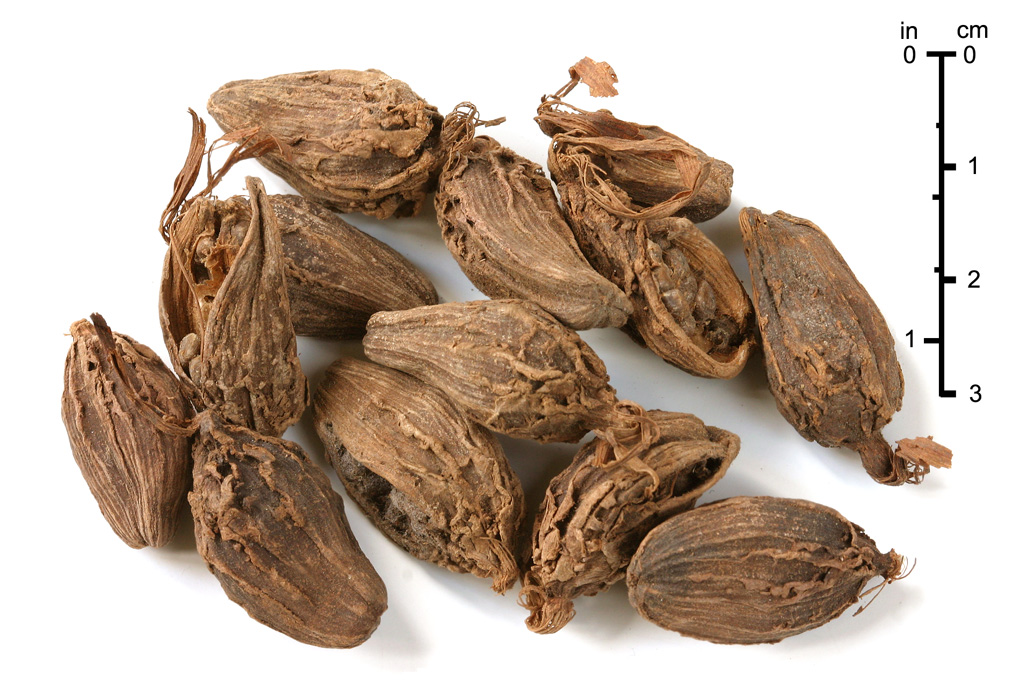
Look into the shaded gullies below Kaluk and you may see clumps of tall, leafy stems under alder trees. That is large cardamom (Amomum subulatum), known in Nepali as alaichi, the black cardamom used in Indian garam masala. Sikkim is India's largest producer of it, according to the Spices Board of India, and the hills of western Sikkim, including today's Soreng district, have grown it for generations. The crop likes moist, shaded slopes, and farmers here plant it under Himalayan alder (Alnus nepalensis), which fixes nitrogen in the soil and keeps the ground cool. The capsules grow at the base of the plant and are harvested by hand in autumn, then dried over wood fires in a bhatti, which gives them their smoky taste. In the 1990s and 2000s viral diseases known locally as chirke and foorkey, along with ageing plants, cut yields badly across Sikkim, and many families in Soreng turned to ginger, oranges and vegetables alongside it. Ask your homestay host whether they still grow alaichi; most families have a story about it.
Source: Spices Board of India (large cardamom); Wikipedia: Black cardamom; Wikipedia: Soreng
Little known
Things most visitors never hear
Wikipedia describes Kaluk as one of the windiest places in Sikkim. The breeze comes up the open ridge most afternoons, which is why resort gardens here have stone walls and why you want a windproof layer.
Source: Wikipedia: Kaluk
Kaluk was part of West Sikkim until 21 December 2021, when the Sikkim (Re-organization of Districts) Act created Soreng district from Gyalshing (West) district. Old maps and guidebooks still place it in West Sikkim.
Source: Wikipedia: Soreng district
Soreng district is known for its oranges, ginger and large cardamom. In Kaluk you see household orange trees ripening from about November to January, sold in small heaps at the bazaar.
Shared jeeps run from Jorethang to Kaluk and Rinchenpong, about 1.5 hours for roughly ₹120–180 a seat. From Siliguri, take a shared jeep to Jorethang first (3.5–4 hours, ₹250–350). Morning departures are most frequent; the last jeeps up leave by mid-afternoon.
Private car
Kaluk is about 29 km from Pelling via Gyalshing and Legship, 1.5 hours, at about ₹2,000–2,500 one way for a small car. From Gangtok it is about 118 km and 5 hours via Singtam, Melli and Jorethang, about ₹5,000–6,500. From Jorethang it is about 30 km and 1–1.5 hours.
From Bagdogra / NJP
Bagdogra and NJP are roughly 115–125 km away, 4.5–5 hours by car via Sevoke, Melli and Jorethang, for about ₹4,500–6,000. NH10 along the Teesta closes after monsoon slides, when cars detour via Kalimpong. Check current status before you travel.
Permits in Soreng
Indian travellers need no special permit anywhere in Soreng district. You pay Sikkim's ₹50 tourist fee, collected by your hotel or homestay and valid 30 days, and an entry ticket at the Hilley checkpost for the Barsey Rhododendron Sanctuary, about ₹50 for Indians. Foreign nationals need Sikkim's Restricted Area Permit, which since 12 January 2026 is applied for online on the e-FRRO portal after arriving in India, with approval in 24–48 hours. Foreigners pay a higher Barsey entry fee. Check current status before you travel.
Kaluk is where the area's village resorts are. Ghonday Village Resort, on the slope below Rinchenpong, and Mandarin Village Resort, near Kaluk bazaar, both cost about ₹3,000–5,500 a room and have restaurants, gardens and parking. For a lower budget, the family homestays of Rinchenpong, 3 km up the ridge, cost ₹1,200–2,200 per person with meals and are closer to the monastery. Yangsum Heritage Farm near Rinchenpong is the choice for a heritage farmhouse stay with meals.
Stay in Kaluk for resort comfort, restaurants and easy parking; stay in Rinchenpong for homestays closer to the monastery and a slightly wider view. They are 3 km apart, so you can walk or drive between them in minutes. Families and older travellers usually prefer Kaluk's resorts.
How far is Kaluk from Pelling?
About 29 km by road via Gyalshing and Legship, roughly 1.5 hours by car. A reserved small car costs about ₹2,000–2,500 one way. Kaluk makes a good second base after Pelling for travellers who want quiet and village walks.
Is Kaluk in West Sikkim or Soreng district?
Kaluk is in Soreng district. It was in West Sikkim until December 2021, when Soreng district was carved out of West (now Gyalshing) district. Many signs, maps and booking sites still say West Sikkim, so both names will get you there.
What is the best time to visit Kaluk?
October to December for clear views and dry weather, and February to April for flowering trees with some haze. January is cold but often clear. June to September brings heavy rain and cloud, though rooms are cheaper and the hills are green.
How do I reach Kaluk by public transport?
Take a shared jeep from Siliguri to Jorethang, about 3.5–4 hours for ₹250–350, then a shared jeep from Jorethang to Kaluk, about 1.5 hours for ₹120–180. Morning departures are the most frequent. The last jeeps up from Jorethang usually leave by mid-afternoon.
Can we see Kangchenjunga from Kaluk?
Yes, on clear days the range is visible across the valley to the north-west, with Kangchenjunga (8,586 m) in the centre. October to April gives the best chance, early morning and late afternoon. From June to September cloud usually hides it.
Are there restaurants in Kaluk?
There are small eateries and tea stalls in the bazaar serving momos, thukpa, chowmein, sel roti and rice-dal thalis for about ₹80–250. The resorts have their own restaurants. Homestays cook meals for guests, usually included in the rate.
Is Kaluk good for older travellers?
Yes. At about 1,550 m there is no altitude concern, drives from Jorethang and Pelling are under two hours, and the resorts have restaurants and parking. Some rooms are up steps on the slope, so ask for one near the car park and dining room.
How many days should we spend in Kaluk?
One night is enough for a stop between Pelling and Jorethang; two nights let you walk to Rinchenpong, visit Reesum Gumpa or Sribadam, and have two chances at a clear sunrise. Many travellers pair two nights here with two in Pelling.
Every cost shownRooms, car, permits and our fee, itemised
One person to callFrom Bagdogra or NJP until you are back
No payment to startA deposit only when you book
Get my price
Want Kaluk in your plan?
Tell us your dates, who is travelling and roughly what you want to spend. We reply within one working day with a day-by-day route and an itemised price.
No payment to start
Permits handled through registered partners
Every hotel, car and fee listed
Price my Sikkim trip
Tell us dates, people and budget. You get a day-by-day plan and an itemised price within one working day.