Village life · Kaluk
Visit a cardamom and orange farm near Kaluk
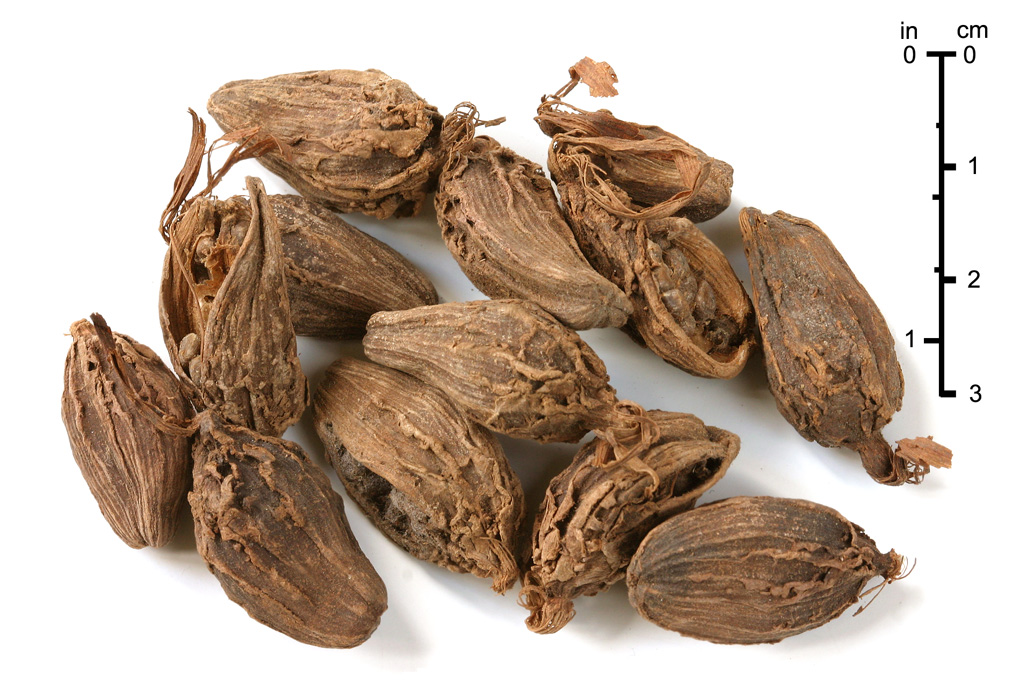
Spend a morning with a farming family near Kaluk to see large cardamom growing under alder trees, how the pods are harvested and smoke-dried, and the orange trees around the house. A rooted, low-cost look at the crops that shaped Soreng district.
Photo: Brian Arthur · CC BY-SA 3.0, Wikimedia Commons
Large cardamom, the black cardamom of garam masala, has long been a cash crop in western Sikkim, and Sikkim is India's largest producer according to the Spices Board of India. It grows in shaded, moist gullies, usually under Himalayan alder trees. On a farm visit near Kaluk, a family member walks you through the plot, shows where the red capsules form at the base of the plant, and explains how they are cut by hand, mostly from about September to November.
The pods are dried over a wood fire in a bhatti, a small drying kiln, which gives them their smoky flavour. If you visit during the drying season you may see, and smell, one at work. Many families here also grow ginger, maize and oranges; Soreng district is known for all three. Oranges ripen from about November to January, and some households sell them by the dozen at the gate.
This is not a commercial tour but a visit to someone's working farm, arranged through your homestay or resort. Expect to pay the family ₹500–1,000 for their time, and to walk on narrow, uneven terraces. Wear closed shoes and long trousers. Ask before photographing people, and do not pick fruit or pods without being offered.
Good for
Questions travellers ask
Before you book
When is the cardamom harvest in Soreng district?
Mostly from about September to November, depending on altitude and the year's rains. Drying in bhatti kilns follows the harvest. Outside that season you still see the plants and can learn how they are grown, but not the picking or drying.
How do I arrange a farm visit in Kaluk?
Ask your homestay host or resort a day ahead; most know a family willing to show their farm. We can also arrange it as part of a journey. Pay the family directly, usually ₹500–1,000 for a small group, for their time and tea.
Why is large cardamom grown under trees?
It needs shade, moisture and cool soil. Farmers in Sikkim usually plant it under Himalayan alder, which shades the plants and adds nitrogen to the soil. Open, sunny slopes are used for maize, ginger and oranges instead.
Also in Kaluk
More hours worth planning
 Nature
Ridge walk from Kaluk up to Rinchenpong
Walk the 3 km up the ridge from Kaluk to Rinchenpong with the Kangchenjunga range ahead of you, stopping at village shrines …
 Food
Sel roti, momos and tea in Kaluk bazaar
Eat your way down Kaluk's short bazaar street: ring-shaped sel roti fried at dawn, milky tea, momos, aloo dum and, in season, …
 Wellness
Sunset and stars from a Kaluk garden
End the day in a resort or homestay garden in Kaluk, watching the last light leave Kangchenjunga and the stars come out …
Price your own route
Tell us dates, people and budget. We send a day-by-day plan with every cost shown. StartNot sure where to start?
We match districts to your month, your budget and the people travelling with you. StartAsk the Gangtok desk
An itemised quote within one working day. No payment to start. StartGet my price
Tell us your dates and your budget
Who is travelling, when, and roughly what you want to spend. The Gangtok desk replies within one working day with a day-by-day plan and an itemised price.
- No payment to start
- Permits handled through registered partners
- Every hotel, car and fee listed