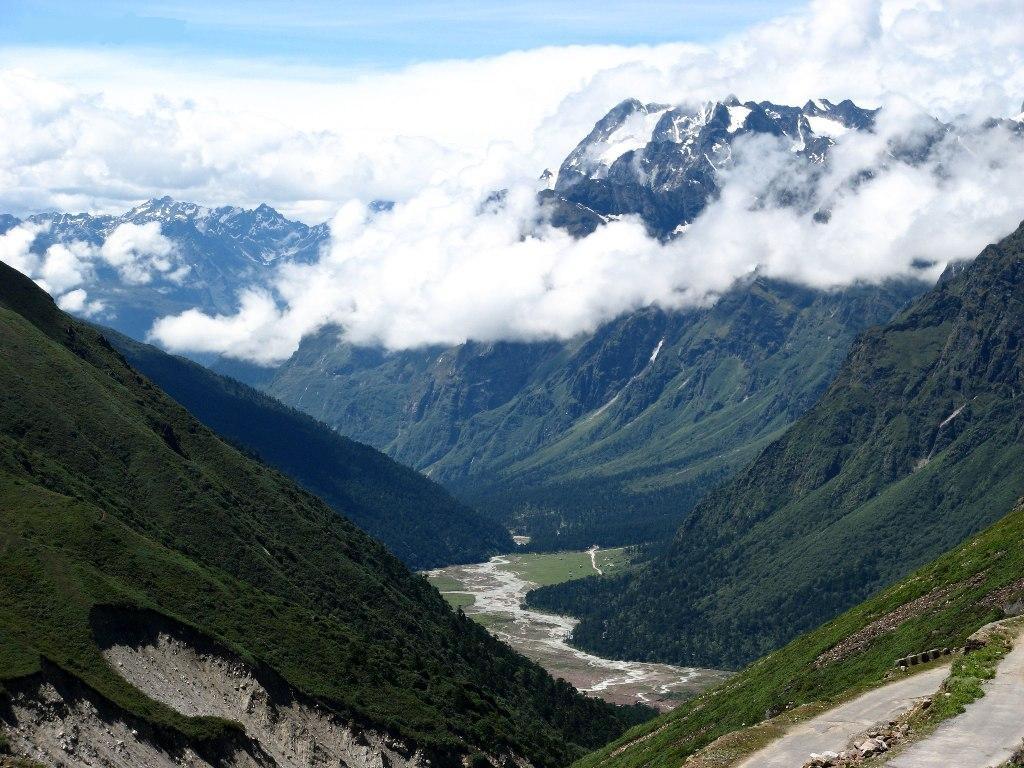
Why North Sikkim needs a permit
Mangan district (North Sikkim) runs up to the border with Tibet. Lachung, Yumthang, Zero Point, Lachen, Thangu, Chopta Valley and Gurudongmar Lake all sit inside a Protected Area, and the road to them passes Army and police check posts. That is why nobody, Indian or foreign, can simply drive up from Gangtok in their own car or an outside taxi.
The permit is not a ticket you buy at a counter. It is a list of names, ID numbers, the vehicle number and the driver, attached to dates and a route. A Sikkim Tourism-registered agent files it, and only a vehicle registered for North Sikkim tourist duty can carry it. In practice your hotel, your tour operator or the taxi syndicate in Gangtok does this for you, and the cost is folded into the vehicle rate.
We file these permits from our Gangtok desk most weeks of the season. What follows is the rule set as we understand it in October 2026. Rules here have changed several times since the October 2023 Teesta flood, so check current status before you travel.
Permit rules at a glance
The table sums up who can go where in 2026. It is a planning aid, not a legal statement. The issuing office has the final word on the day.
| Area | Indian nationals | Foreign nationals | Notes |
|---|---|---|---|
| Lachung, Yumthang, Zero Point | Protected Area Permit via registered agent | PAP via registered agent, groups of 2 or more | Reopened 8 Sep 2025; Zero Point depends on snow |
| Lachen, Thangu, Chopta Valley | PAP via registered agent | Unclear in 2026: ask us | Road reopened Mar 2026, shut Apr, permits resumed about 11–12 Sep 2026 |
| Gurudongmar Lake | PAP, after a night in Lachen | Not allowed | Dawn visit only; no same-day trip from Gangtok |
| Dzongu (Lepcha reserve) | Special permit for non-residents, issued in Mangan | PAP via registered agent | Usually arranged by your homestay |
| Mangan, Phodong, Kabi, Singhik | No permit | RAP for Sikkim is enough | Ordinary roads below the check posts |
Documents you need to hand over
Send your documents to your operator at least two working days before the North Sikkim leg, and three in peak weeks such as Durga Puja and late December. Permits are usually processed the day before departure, and a missing photo can push your trip back a day.
Carry the originals with you. Check post staff compare the faces in the vehicle with the list, and they do ask children and seniors for ID as well.
- A government photo ID for each traveller: Aadhaar, passport, voter ID or driving licence. PAN cards are often refused because they carry no address.
- Two recent passport-size photos per person, or clear digital copies if your agent files online.
- For children aged 5 and above: Aadhaar or a school ID with photo, or a birth certificate.
- For foreign nationals: passport, Indian visa and the approved Restricted Area Permit for Sikkim.
We turn this into a priced, day-by-day plan for your dates.
How the permit day works
A typical North Sikkim permit runs to a simple timetable. The afternoon before you leave, your agent submits the names, IDs and photos with the vehicle and driver details. The permit comes back the same evening or early next morning, and the driver keeps the copies in the vehicle. You never queue for it yourself.
On the morning of departure the car collects you in Gangtok between 9 and 10 am. The first stops are tea at Kabi or the Seven Sisters Waterfall and lunch around Mangan or Singhik. The permit is checked at the check posts on the North Sikkim highway, including Toong before 4 pm, and again at Chungthang, where the road splits for Lachung and Lachen. Keep your ID in a pocket, not in the boot, because you may be asked to step out at each one.
On the way home the same permit covers the return. If you change your plan up north, for example dropping Zero Point because of ice, nothing needs to be refiled. Adding a night or switching valleys does need a new permit, so talk to us before you leave Gangtok.
The rules that shape every itinerary
Four rules decide how a North Sikkim trip is built in 2026, and any honest quote should follow them.
First, operators sell a minimum of 2 nights in North Sikkim: two in Lachung, two in Lachen, or one in each. A one-night dash to Lachung is not being issued by most agents. Second, all tourist vehicles must cross the Toong check post, between Mangan and Chungthang, by 4:00 pm. That fixes your Gangtok departure at about 9 to 10 am and makes it hard to start the North leg on the day you land at Bagdogra. Third, children under 5 are not permitted in North Sikkim protected areas, so families with toddlers should plan Gangtok, Pelling or Ravangla instead. Fourth, Gurudongmar Lake is reached only from a night in Lachen, leaving at about 4 to 5 am; a same-day trip from Gangtok is neither allowed nor safe.
Two smaller rules catch people out. Sikkim charges a ₹50 Tourism Sustainable Development fee per tourist, collected by your first hotel at check-in and valid for 30 days; under-5s are exempt. And the local bodies in Lachung and Lachen have restricted packaged water bottles at times, so carry a refillable bottle.
Foreign nationals: what is open
Foreigners first need a Restricted Area Permit to enter Sikkim at all. Since 12 January 2026 there are no paper permits at Rangpo or Melli: you apply online on the e-FRRO portal (indianfrro.gov.in) after arriving in India, and approval usually takes 24 to 48 hours. The RAP is valid for 30 days and can be extended by 30.
With a RAP in hand, a foreign group of two or more can get a Protected Area Permit through a registered agent for Lachung, Yumthang and Zero Point. Gurudongmar Lake is closed to foreign nationals. Whether foreigners can go to Lachen and Thangu has been unclear in 2026, and we have seen different answers in different weeks, so ask us before you build a trip around it. Solo foreign travellers cannot get a North Sikkim PAP on their own; we can sometimes pair you with another booking.
Dzongu: a separate permit
Dzongu, the Lepcha reserve west of Mangan, is not part of the Lachung and Lachen permit. Land there has been reserved for Dzongu Lepchas since a 1958 notification of the Chogyal's government, and outsiders need a permit from the district administration in Mangan. Your homestay host usually arranges it with copies of your ID; allow a day.
Dzongu sits low, at roughly 700 to 1,500 m, so it makes a gentle first night before Lachen and a useful fall-back if the high roads close. The under-5 rule for the North Sikkim protected areas is set by those permits; for Dzongu with very young children, ask your host what the office is allowing that month.
When permits stop and what happens to your money
Permits are suspended after heavy rain, landslides or snow, sometimes with a few hours' notice. Between October 2023 and March 2026 the Lachen road was closed for 887 days, and it shut again in April 2026 before permits resumed in September. Lachung has been steadier since its September 2025 reopening, but a bad night in the monsoon can still stop vehicles at Toong.
Before you pay a deposit, ask your operator three questions in writing: what is refunded if permits are suspended before you leave Gangtok, whether they will switch you to Dzongu, Tsomgo Lake or Pelling instead, and who pays for an extra night if a slide traps you up north. Our own rule is a refund of the North Sikkim vehicle and lodge portion, or a free switch, if permits stop before departure. Keep a spare day before your flight out of Bagdogra.
Rules, fees, fares and road status change often. Check current status before you travel.