Dzongu is a reserved area for the Lepcha people on the west bank of the Teesta, opposite Mangan, roughly 3–4 hours from Gangtok. Outsiders need a permit issued in Mangan. There are no hotels: you stay with Lepcha families in homestays, walk among cardamom and paddy, and learn about the people generally considered Sikkim's earliest inhabitants.
Best months
October–December, March–May
Nights we suggest
2
From Gangtok
≈ 75–90 km · 3–4 h, depending on village
Altitude
≈ 700–2,000 m; main villages around 1,200 m
Known for
Lepcha reserve, homestays, cardamom, Tholung
Permit
Dzongu permit from the district administration, Mangan
About Dzongu
What to know before you go
Dzongu is a block of steep valleys on the west bank of the Teesta, running up the Rongyong river from the gorge below Mangan towards the Kangchenjunga massif. Villages such as Lingthem, Lingdong, Passingdang and Hee Gyathang cling to the slopes between about 700 m by the river and 2,000 m and more higher up, with cardamom under alder trees, terraced paddy, orange and bamboo groves, waterfalls and hot springs. The upper valleys reach into the buffer zone of Khangchendzonga National Park.
What makes Dzongu different is its status. A royal notification of the Chogyal era reserved the land for the Lepcha of Dzongu, so outsiders, including Lepcha from elsewhere, may not buy land or settle here. That is why there are no hotels and no resort strip, only family homes that take guests. Visitors need a permit issued by the district administration in Mangan, which most hosts arrange in advance. Check current status before you travel.
Dzongu is not a sightseeing circuit. It suits travellers who want to slow down: walk between villages, eat farm food, sit by the hearth, and hear how the Lepcha, who call themselves Rongkup, keep their language, their Mun and Bongthing priests and their Buddhist practice alive. The valley also carries recent history, from the 2007–08 protests against hydropower projects to the 2023 flood and the bridge repairs that followed. Two nights is the right stay.
Highlights
What to see and do
A Lepcha family homestay
The only way to stay in Dzongu is with a family. Rooms range from simple farmhouse bedrooms to newer cottages, and meals come from the fields: red rice, nettle soup, fern shoots, local chicken or pork and millet. Evenings by the hearth, hearing the family's own stories, are the reason to come.
Cardamom and paddy terraces
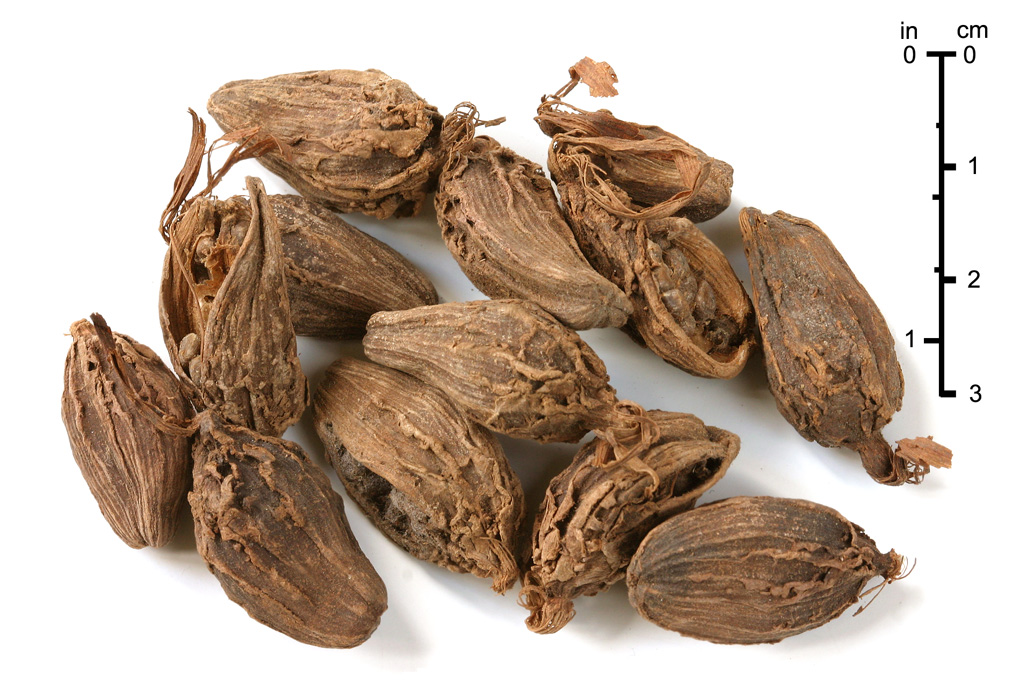
Large cardamom grows in the shade of alder on the slopes, harvested and smoke-dried from about September to November. Lower down, terraced rice fields turn green in summer and gold in autumn. Walk between villages with a host and see how a Lepcha farming year runs.
Tholung Monastery
High in upper Dzongu, inside the buffer zone of Khangchendzonga National Park at about 2,400 m, Tholung Monastery keeps relics shown publicly only once every three years, at the Kamsel ceremony. Reaching it means a long drive and a walk. Ask us about current access.
Waterfalls and hot springs
Dzongu's streams drop off the valley walls in long falls, and there are hot springs in the upper valley that local people consider sacred. Ask your host which you can visit and how to behave there, and never bathe without asking. Many paths are damaged after each monsoon.
Namsoong at the turn of the year
Namsoong, the Lepcha new year, falls around December and January by the Lepcha calendar. Its best known public celebration is at Namprikdang on the Teesta at the edge of Dzongu, with prayers, archery, games and food. If invited, follow your host's lead and ask before photographing.
The story of Dzongu
The hunger strike for a valley
In the mid-2000s Sikkim planned a chain of hydropower projects on the Teesta and its tributaries, several of them inside or affecting Dzongu. Many Dzongu Lepchas feared that tunnels, roads and a large outside workforce would undo the protections of the reserve. A group called Affected Citizens of Teesta, known as ACT, organised the opposition, and on 20 June 2007 its members began a hunger strike in Gangtok. Live History India, which has written about the protest, puts the first phase at 93 days, followed by relay fasts and further protests over the next few years. In the end the state dropped several of the Dzongu projects, while others on the Rongyong went ahead. Some of the young people involved then looked for a way to earn a living from the land without selling it, and homestays were one answer. According to the Peaceful Societies project at the University of North Carolina at Greensboro, Dzongu homestays grew from around 2008. When you sit in a Dzongu kitchen today, you may well be the guest of someone who took part.
Source: Live History India (2017) on the Dzongu protests; Peaceful Societies project, UNC Greensboro
Little known
Things most visitors never hear
Under the Chogyal-era reservation, not even a Lepcha from outside Dzongu may buy land inside it; the protection belongs to the Lepcha of Dzongu themselves.
Source: Live History India; Sikkim Escapes Dzongu guide
Tholung Monastery in upper Dzongu keeps sealed boxes of relics, said to have been brought there for safety during the Gorkha invasions, shown to the public only once every three years.
Source: Wikipedia, Tholung Monastery
In August 2025 the Border Roads Organisation opened a modular bridge over the Teesta at Sankalang, restoring a road link to Dzongu after earlier bridges were swept away.
Take a shared jeep from Gangtok's Vajra stand to Mangan, about 2.5–3 hours for ₹250–350 a seat. From Mangan, local shared jeeps run to some Dzongu villages, or your host can collect you for a fee. Have your permit arranged first.
Private car
A reserved car from Gangtok reaches Lower Dzongu villages in about 3 hours and Upper Dzongu in 3.5–4 hours, via Mangan and the bridges over the Teesta. Roads inside Dzongu are narrow and often under repair after the monsoon. Check current status before you travel.
From Bagdogra / NJP
It is a full day of 6–8 hours from Bagdogra or NJP via Gangtok, or via Singtam without entering Gangtok. NH10 closes after slides in the monsoon, when drivers use the Kalimpong or Algarah roads. We suggest a night in Gangtok first.
Indian travellers need a protected area permit for Lachung, Yumthang, Zero Point, Lachen, Thangu and Gurudongmar, issued only through Sikkim Tourism-registered agents and tied to a registered tourist vehicle; operators require a minimum two-night stay. Dzongu needs its own permit, usually obtained in Mangan. Children under five are not permitted in North Sikkim protected areas. Foreign nationals need the online Sikkim restricted area permit and may visit Lachung, Yumthang and Zero Point on a group permit, but not Gurudongmar; for Lachen and Thangu, ask us. Check current status before you travel.
Dzongu has no hotels by design. Lepcha families in Lingthem, Lingdong, Passingdang, Hee Gyathang and other villages host guests in their homes for about ₹1,500–2,500 per person a night with meals. Mayal Lyang Homestay at Passingdang, run by Gyatso Lepcha and his family, was one of the first and remains a good choice for walkers and birdwatchers. We also match travellers to other families we know according to comfort and walking ability. For a hotel night, Mangan across the river has simple options.
Yes. Dzongu is a reserved Lepcha area, and visitors who are not from Dzongu need a permit issued by the district administration in Mangan. Most homestays apply for guests in advance with copies of ID and photos. If you apply yourself, go to Mangan on a weekday morning. Check current status before you travel.
Can foreigners visit Dzongu?
Rules for foreign nationals in Dzongu have changed over the years and are applied case by case. Foreigners first need the online Sikkim restricted area permit. Please ask us before you plan, so we can check the current position with the district administration. Check current status before you travel.
Why is Dzongu a reserved area?
A royal notification of the Chogyal era reserved Dzongu for the Lepcha of Dzongu, protecting their land and way of life. Under it, outsiders, including Lepchas from elsewhere, may not buy land or settle there. That is why Dzongu has no hotels, and why visitors need a permit.
How far is Dzongu from Gangtok?
Dzongu villages are roughly 75–90 km from Gangtok, which takes 3–4 hours by car via Mangan, depending on which village you stay in and road conditions inside the reserve. Shared jeeps run to Mangan, from where hosts can collect you. Monsoon slides can add hours.
Where do you stay in Dzongu?
Only in homestays run by Lepcha families, because hotels are not permitted in the reserve. Rooms range from simple to comfortable, and meals are home-cooked. Expect to pay about ₹1,500–2,500 per person a night with meals. Mayal Lyang Homestay at Passingdang is one well-established option.
How many days do you need in Dzongu?
Two nights is ideal. One night feels rushed after the drive, and two lets you walk between villages, visit a waterfall or a cardamom grove and spend unhurried evenings with your hosts. Add a third if you want to try for Tholung Monastery, which needs a long day.
What is the best time to visit Dzongu?
October to December gives clear skies, harvest activity and comfortable walking, and March to May brings warm days and flowers. Namsoong, the Lepcha new year, falls around December and January. June to September is the monsoon, with leeches, heavy rain and road damage.
Is Dzongu suitable for seniors and children?
Yes, with care. Altitudes are low, around 1,200 m in the main villages, but paths are steep and homes may have outside toilets, which is Lepcha custom. Choose a homestay with easy access and tell us about mobility needs. For children under five, ask us first: North Sikkim's protected areas do not admit them, and we check the current Dzongu rule for each trip.
How should visitors behave in Dzongu?
Be a respectful guest in someone's homeland. Ask before photographing people, shrines or homes, dress modestly, keep to paths, and do not enter sacred springs, lakes or groves without your host. Pay fairly and directly, carry your rubbish out, and keep music and voices low in villages.
Every cost shownRooms, car, permits and our fee, itemised
One person to callFrom Bagdogra or NJP until you are back
No payment to startA deposit only when you book
Get my price
Want Dzongu in your plan?
Tell us your dates, who is travelling and roughly what you want to spend. We reply within one working day with a day-by-day route and an itemised price.
No payment to start
Permits handled through registered partners
Every hotel, car and fee listed
Price my Sikkim trip
Tell us dates, people and budget. You get a day-by-day plan and an itemised price within one working day.