Mangan is the headquarters of Mangan district (North Sikkim), a small hill town about 67 km and 2.5–3 hours north of Gangtok on the North Sikkim Highway. Travellers use it as the lunch stop on the way to Lachung and Lachen, the place to get a Dzongu permit, and the last town with banks and pharmacies.
Best months
October–December, March–May
Nights we suggest
0–1
From Gangtok
≈ 67 km · 2.5–3 h
Altitude
956 m (town climbs to about 1,200 m)
Known for
District HQ, Dzongu permits, cardamom, lunch stop
Permit
Not needed for Mangan; needed for Dzongu and beyond Toong
About Mangan
What to know before you go
Mangan sits on a ridge above the east bank of the Teesta, looking straight across the gorge to the forested slopes of Dzongu. Wikipedia gives its average elevation as 956 m, though the town climbs well above that along the highway. It is not a resort town. It is the working capital of Sikkim's largest district: government offices, the district hospital, schools, a market, a few banks and a line of small hotels and eating places where North Sikkim tour jeeps stop for lunch.
For most visitors Mangan passes in forty minutes over a plate of rice and dal. It deserves a little more if you are going to Dzongu, because the district administration here issues the Dzongu permit, and Lepcha homestay hosts often pick guests up in the bazaar. It is also a sensible halfway night when you start late from Bagdogra, or when a landslide above Toong holds up traffic. Singhik, 4 km up the road, has one of the best views of the Kangchenjunga range in the district.
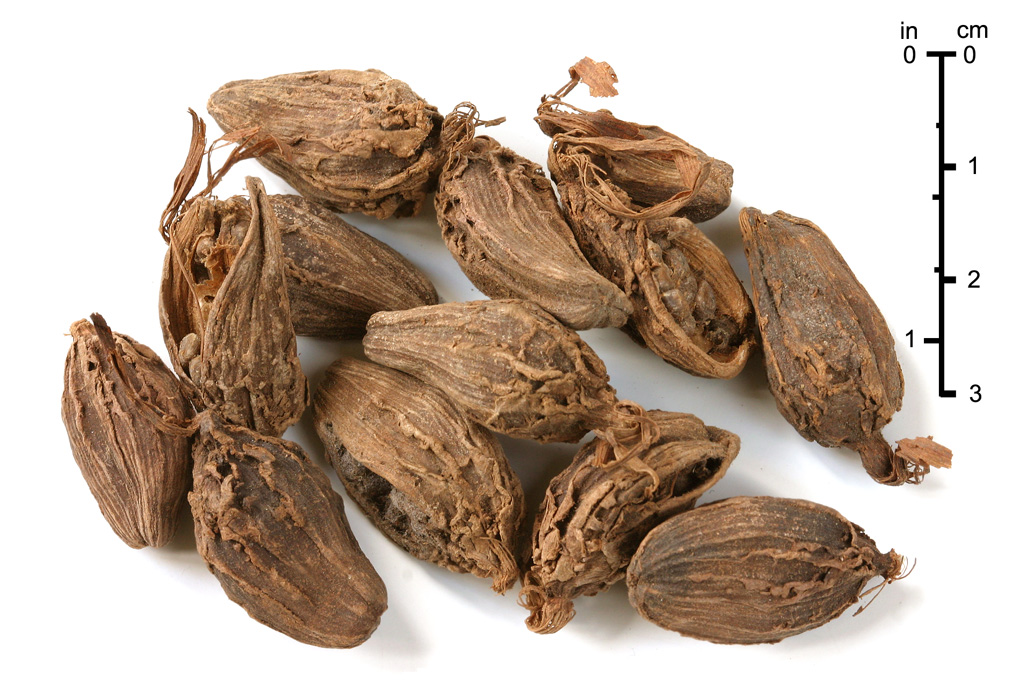
Mangan district is cardamom country. Large cardamom, the smoky black spice used in garam masala, grows in the shade of alder trees on the slopes all around, and Mangan is a trading point for the crop. At this height the climate is mild: warm and humid in the monsoon, cool and clear from October to March. No protected area permit is needed for the town itself, but everything beyond the Toong check post, and Dzongu across the river, needs one. Check current status before you travel.
Highlights
What to see and do
The view across to Dzongu
From the highway and the viewpoint above the bazaar you look straight across the Teesta gorge to Dzongu's terraced villages, cardamom forest and waterfalls. On a clear morning snow peaks rise at the head of the valley. It is the best way to understand why Dzongu feels apart: a deep river and a single road separate it.
Dzongu permit and pickup point
The district administration in Mangan issues the permit for Dzongu, usually on weekdays and in the first half of the day. Most homestays apply on your behalf if you send ID in advance, and many hosts collect guests in Mangan bazaar. Check current status before you travel.
Lunch on the North Sikkim run
Shared and private jeeps to Lachung and Lachen usually stop in or near Mangan for lunch: rice, dal, vegetables, eggs or chicken and noodle soups at simple roadside places. Pay at your own cost unless your package says otherwise, and do not linger too long, because the Toong check post closes to tourist vehicles at 4:00 pm.
Cardamom country
Large cardamom grows under shade trees across the district. From roughly September to November the pods are harvested and dried over wood fires in simple kilns, and sacks move through Mangan to traders. Ask a homestay host in Dzongu to show you a drying kiln if one is working.
Last town for cash and medicines
Mangan has bank branches, ATMs, pharmacies and the district hospital. Beyond it, Chungthang has an army medical centre and Lachung an SBI ATM that often runs dry. Draw cash and buy any medicines you need here or in Gangtok.
The story of Mangan
Where Namsoong comes to the riverbank
Mangan is the town nearest to Namprikdang, a riverside ground on the Teesta at the edge of Dzongu that has become the best known public venue for Namsoong, the Lepcha new year. Namsoong falls around December and January by the Lepcha calendar, and since 1979, according to the festival notes we use for our own Namsoong page, Lepcha organisations have gathered at Namprikdang for prayers by Bongthing and Mun priests, archery, traditional games, dances and Lepcha food. The setting matters. Across the river from Mangan lies Dzongu, the reserve that a Chogyal-era proclamation set aside for the Lepcha, and the Lepcha people are generally considered the earliest inhabitants of Sikkim, as the Wikipedia article on the Lepcha people records. Mangan district has more Lepcha speakers than any other district in Sikkim: the 2011 census found that 31.7 percent of its people named Lepcha as their first language. If you visit at the turn of the year, ask us whether the gathering is open to visitors that year, follow your hosts' lead, and ask before you photograph anyone.
Source: Wikipedia, Lepcha people and Mangan district (Census of India 2011); Sikkim Escapes festival notes on Namsoong
Little known
Things most visitors never hear
Mangan district is the largest of Sikkim's six districts by area, according to Wikipedia, yet its headquarters town had a population of only 4,644 at the 2011 census.
Source: Wikipedia, Mangan, India
Until December 2021 the district was called North Sikkim; it was renamed Mangan district after its headquarters when Sikkim reorganised from four districts to six.
Source: Government of Sikkim notification, 2021
In the 2011 census Lepcha was the most common first language in the district at 31.7 percent, ahead of Nepali at 23.2 percent.
Source: Census of India 2011, via Wikipedia, Mangan district
Shared jeeps to Mangan leave from the North Sikkim taxi stand at Vajra in Gangtok through the morning, about 2.5–3 hours, for around ₹250–350 a seat. They fill up early, so be at the stand by 8 am. Check current status before you travel.
Private car
A reserved small car or SUV from Gangtok takes 2.5–3 hours for about 67 km via Kabi, the Seven Sisters Waterfall and Phodong. Expect about ₹3,500–5,000 one way. No permit is needed for Mangan itself.
From Bagdogra / NJP
Mangan is about 175–180 km from NJP or Bagdogra, 6–7 hours via Gangtok on NH10. When NH10 is closed by slides, drivers use the Kalimpong or Algarah roads, which add time. Most travellers break the journey in Gangtok.
Indian travellers need a protected area permit for Lachung, Yumthang, Zero Point, Lachen, Thangu and Gurudongmar, issued only through Sikkim Tourism-registered agents and tied to a registered tourist vehicle; operators require a minimum two-night stay. Dzongu needs its own permit, usually obtained in Mangan. Children under five are not permitted in North Sikkim protected areas. Foreign nationals need the online Sikkim restricted area permit and may visit Lachung, Yumthang and Zero Point on a group permit, but not Gurudongmar; for Lachen and Thangu, ask us. Check current status before you travel.
Mangan has a handful of hotels along the highway and in the bazaar, mostly simple rooms used by government visitors and drivers. Hotel Tamarind on the highway is the larger option we use for a halfway night or a Dzongu day trip, with spacious rooms and views over the gorge, though upkeep is uneven. Budget lodges in the bazaar charge about ₹1,500–2,500 a room. For a more memorable night, cross the river and stay with a Lepcha family in Dzongu, 30–60 minutes away, which needs a permit.
Mangan is about 67 km from Gangtok on the North Sikkim Highway via Kabi and Phodong, which takes 2.5–3 hours by car in normal conditions. Shared jeeps leave from the Vajra taxi stand in Gangtok in the morning. Landslides can add hours in the monsoon, so check current status before you travel.
Do I need a permit to visit Mangan?
No. Mangan town and the highway up to the Toong check post do not need a protected area permit for Indian travellers. You do need a separate permit for Dzongu across the river, and a protected area permit through a registered agent for Chungthang, Lachung, Lachen and beyond. Check current status before you travel.
What is the altitude of Mangan?
Wikipedia gives Mangan's average elevation as 956 m, and the town spreads uphill along the highway to around 1,200 m. Either way it is low enough that altitude is not a concern. It is a good place to start acclimatising before Lachung at about 2,700 m or Lachen at about 2,750 m.
Is Mangan the same as North Sikkim?
Mangan is the headquarters town of Mangan district, which until December 2021 was called North Sikkim district. Travellers and tour operators still say North Sikkim. The district covers Mangan, Dzongu, Chungthang, Lachung, Lachen, Thangu, Gurudongmar and the villages along the highway from Kabi northwards.
What is there to see in Mangan?
Mangan is a working town rather than a sightseeing stop. The main draws are the view across the Teesta to Dzongu, the bazaar, cardamom farms on the surrounding slopes, the Singhik viewpoint 4 km away, and the Naga Waterfall further up the highway. It is also the gateway for Dzongu permits.
Where can I stay in Mangan?
Hotel Tamarind on the highway is the larger hotel we use, with spacious rooms and views, though maintenance is uneven. Smaller lodges in the bazaar cost about ₹1,500–2,500 a room. For a more personal stay, cross to Dzongu and stay with a Lepcha family, which needs a permit.
Can foreigners visit Mangan?
Foreign nationals with the online Sikkim restricted area permit can travel the highway through Mangan. Rules for Dzongu and for areas beyond Toong are stricter: foreigners may visit Lachung, Yumthang and Zero Point on a group permit with a registered agent. For Dzongu, ask us. Check current status before you travel.
What is the best time to visit Mangan?
October to December brings clear skies and views of the snow peaks from Singhik, and March to May is warm and green. The monsoon, June to September, brings heavy rain and landslides on the highway. Around December and January the Lepcha Namsoong festival is celebrated at nearby Namprikdang.
Is there mobile network and ATM in Mangan?
Yes. Mangan has mobile coverage from the main networks and several bank branches with ATMs, plus pharmacies and the district hospital. It is the last town on the highway with reliable services, so draw cash and buy essentials here before Dzongu, Lachung or Lachen.
Every cost shownRooms, car, permits and our fee, itemised
One person to callFrom Bagdogra or NJP until you are back
No payment to startA deposit only when you book
Get my price
Want Mangan in your plan?
Tell us your dates, who is travelling and roughly what you want to spend. We reply within one working day with a day-by-day route and an itemised price.
No payment to start
Permits handled through registered partners
Every hotel, car and fee listed
Price my Sikkim trip
Tell us dates, people and budget. You get a day-by-day plan and an itemised price within one working day.