Why packing matters more up north
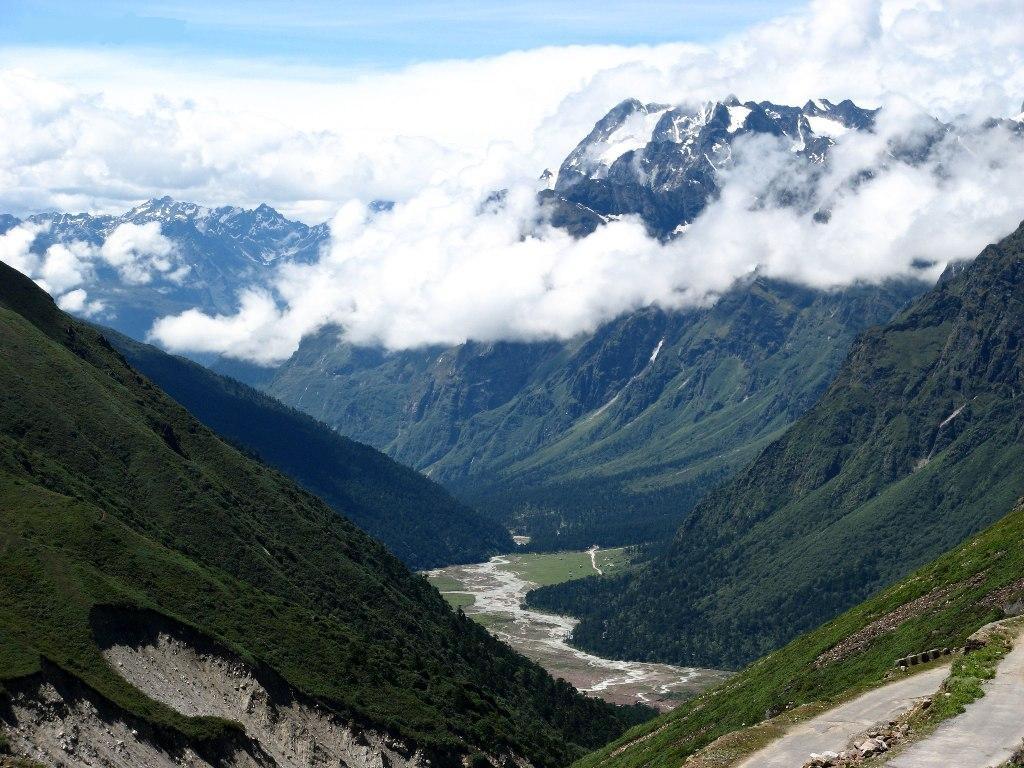
A North Sikkim trip covers more climate in three days than most holidays do in a fortnight. You leave Gangtok at 1,650 m in a light jacket, eat lunch by the Teesta near Mangan in warm sun, and sleep in Lachung or Lachen at about 2,700 m where nights fall close to freezing for much of the year. Next morning you may stand at Zero Point, around 4,700 m, or Gurudongmar, about 5,183 m, in wind that drops the felt temperature well below −10 °C.
Lodges are simple. Most have an electric blanket or a heater, but power cuts happen, hot water may come by bucket in the morning only, and there are no shops to speak of beyond a few village stores. What you forget in Gangtok you will mostly do without. Our list below is built from what our travellers wished they had brought.
Clothes: the layer system
Think in layers you can add and remove in the car, because the vehicle is warm and the viewpoints are not. A single heavy coat is less useful than three lighter layers.
- Base layer: two sets of thermal tops and bottoms. Wool or synthetic, not cotton.
- Middle layer: a fleece jacket or thick sweater, plus a warm shirt.
- Outer layer: a padded or down jacket with a hood, and a light windproof and waterproof shell over it in spring and the monsoon.
- Bottoms: trekking or quick-dry trousers; jeans get cold and stay wet after snow.
- Head and hands: a woollen cap that covers the ears, a buff or scarf, and insulated gloves. Waterproof gloves for snow play.
- Feet: two or three pairs of woollen socks and one pair of thin liner socks.
- Sleepwear: warm and loose; lodge rooms can drop to near 0 °C at night in winter.
What to pack by season
Indicative temperatures for Lachung and Lachen; Yumthang is a few degrees colder and Zero Point and Gurudongmar much colder.
| Months | Lachung / Lachen | At the top | Pack in addition |
|---|---|---|---|
| Dec–Feb | −5 to 8 °C, snow likely | −15 to −5 °C | Down jacket, waterproof gloves, snow boots (or hire), lip balm |
| Mar–May | 0 to 15 °C, cold nights | −8 to 5 °C | Fleece plus padded jacket, rain shell, sunscreen |
| Jun–Sep | 8 to 18 °C, rain most days | −3 to 8 °C | Rain jacket, quick-dry clothes, spare shoes, leech socks for Dzongu |
| Oct–Nov | 0 to 14 °C, clear and dry | −10 to 3 °C | Padded jacket, warm cap, sunglasses, moisturiser |
We turn this into a priced, day-by-day plan for your dates.
Footwear and what you can hire
Bring one pair of comfortable shoes or trekking boots with a good grip, broken in before the trip. Smooth-soled sneakers slip on ice at Yumthang and on the wet steps at Lachung Monastery. Add a pair of slippers or sandals for the lodge.
You do not need to buy snow gear in Gangtok. Shops in Lachung and Lachen hire knee-high snow boots, long padded coats and gloves for ≈ ₹100–300 an item a day, and drivers usually stop there on the evening before Yumthang or Gurudongmar. Try the boots on with your thick socks. If you have large feet, above Indian size 10, bring your own warm boots, because hire stock runs small.
Check the hired coats and boots before you leave the shop: zips that work, soles without cracks and boots that are dry inside. Return them the same evening or the next morning on your way out of the village, and keep the receipt or note the shop name, because drivers often stop at a different shop on the way back. Prices are usually per item per day and are rarely negotiable in peak weeks.
Documents, money and signal
- Original government photo ID for every traveller, including children aged 5 and above: Aadhaar, passport, voter ID or driving licence.
- Two passport-size photos per person, plus digital copies on your phone, for the permit.
- Foreign nationals: passport, visa and the approved Sikkim RAP from the e-FRRO portal.
- Cash: ATMs are in Gangtok and Mangan, and occasionally in Chungthang, but not reliable up north. Carry enough for snow gear, Zero Point, tips and snacks: about ₹3,000–5,000 per person.
- Phone: BSNL and Jio usually work in Lachung and Lachen, but signal fades on the high roads. Download offline maps and tell family you may be out of reach for a day.
- A power bank, because charging can be limited during power cuts.
Health kit for altitude
Altitude is the main health risk in North Sikkim. Pack a small kit and talk to your doctor before the trip if you have any heart, lung or blood pressure condition, or if you want to carry medicine for altitude sickness.
- Your regular medicines, with a few days' spare in case a road closes.
- Paracetamol, an anti-nausea tablet, oral rehydration salts and something for an upset stomach.
- Motion sickness tablets; the roads are long and winding.
- Lip balm with SPF, sunscreen of SPF 30 or more, moisturiser and saline nasal spray for the dry air.
- Sunglasses with UV protection, essential on snow.
- Any prescription for altitude medicine from your own doctor, not borrowed on the road.
For children, seniors and photographers
Families should pack a few extras. Children lose heat faster than adults, so bring one more layer per child than you think you need, plus spare gloves, because wet gloves after snow play are the most common complaint we hear. Familiar snacks and a small toy or book help on long drive days. Remember that children under 5 are not permitted in North Sikkim at all, and children aged 5 and above need ID.
Seniors will be glad of a small cushion and a neck pillow for the drives, a walking stick with a rubber tip for icy paths, and a hot water bottle filled at the lodge on cold nights. Keep regular medicines in the handbag, not the roof luggage, with a written list of doses and doctors' numbers.
Photographers should carry spare batteries and keep them in an inside pocket, because cold drains them quickly at Zero Point and Gurudongmar. A lens cloth, a rain cover for the camera in spring and the monsoon, and a small tripod for the clear November nights in Lachung are worth the space. Drones need permission and are generally not allowed near the border areas, so leave yours in Gangtok unless you have written clearance.
Small things that make a big difference
A refillable bottle is not optional. The local bodies in Lachung and Lachen have restricted packaged plastic water bottles at times, and you will need 3 to 4 litres a day to stay hydrated at altitude. A small insulated flask for warm water on the Gurudongmar dawn drive is worth its weight.
Pack dry snacks: biscuits, nuts, dried fruit, chocolate. Shops are few and the Gurudongmar and Yumthang mornings start before breakfast. A torch or headlamp helps during power cuts and 4 am departures. Carry a cloth bag to take your rubbish back to Gangtok, because there are few bins up north. Keep a small daypack for the excursion, and leave the big bags in the lodge.
Finally, pack light. North Sikkim vehicles carry luggage on the roof under a tarpaulin, and one soft bag per person of 15 kg or less is easier for the driver and kinder on the narrow stairs of mountain lodges. Leave a bag with your Gangtok hotel if you are returning there.
Rules, fees, fares and road status change often. Check current status before you travel.