Martam is a farming village of terraced paddy, cardamom and small orchards below Rumtek, about 29–34 km and 1–1.5 hours from Gangtok, with houses spread roughly between 1,100 m and 1,500 m. It is known for family homestays, easy village walks and the Rumtek–Martam footpath. No permit needed.
Best months
October–November and March–May; July–August for green terraces
Nights we suggest
1–2
From Gangtok
≈ 29–34 km · 1–1.5 h via Ranipool and Rumtek
Altitude
≈ 1,100–1,500 m
Known for
Paddy terraces, family homestays, cardamom, Rumtek walk
Permit
Not needed
About Martam
What to know before you go
Martam lies on the far side of the Ranikhola valley from Gangtok, on the slopes below Rumtek, where the road continues past the monastery and drops through hamlets towards the river. The village is spread out rather than clustered: houses with tin roofs and kitchen gardens stand among terraced rice fields, stands of bamboo, cardamom under the shade of alder trees, and patches of maize, ginger and vegetables. Bhutia and Nepali-speaking families live here side by side.
For travellers, Martam is the nearest real village stay to the capital. Several families take guests in their homes or in small guesthouses next to them, and a couple of resort-style properties sit in the valley. You come for home-cooked food, the sound of streams and roosters instead of traffic, and walks along field bunds and village paths, with Rumtek and Sang monasteries within easy reach.
The farming year sets the scene. Paddy is planted in June and July, when the terraces are flooded and bright green, and harvested in October and November, when they turn gold. Large cardamom is picked from about August to October. Sikkim declared itself a fully organic farming state in 2016, so what you eat at a Martam table has usually been grown without chemical fertilisers or pesticides.
Highlights
What to see and do
Terraced paddy fields
Martam's rice terraces step down the valley in curves. Flooded and bright green after planting in June and July, deep green in August and September, then gold before the October–November harvest. Walk the field bunds with your host, never across planted fields.
A family homestay
Stay with a farming family for one or two nights: a simple room, dinner and breakfast from the family kitchen, and conversation by the stove. Homestays cost about ₹1,500–2,500 per person a night with meals. We match guests to houses that suit their needs.
The Rumtek–Martam walk
A mostly downhill walk of roughly 6–8 km from Rumtek Monastery to Martam on village roads and footpaths, through hamlets, small farms and terraces, in about 2.5–3 hours. A local guide keeps you on the right paths and ends the walk at a homestay lunch.
Cardamom under the alders
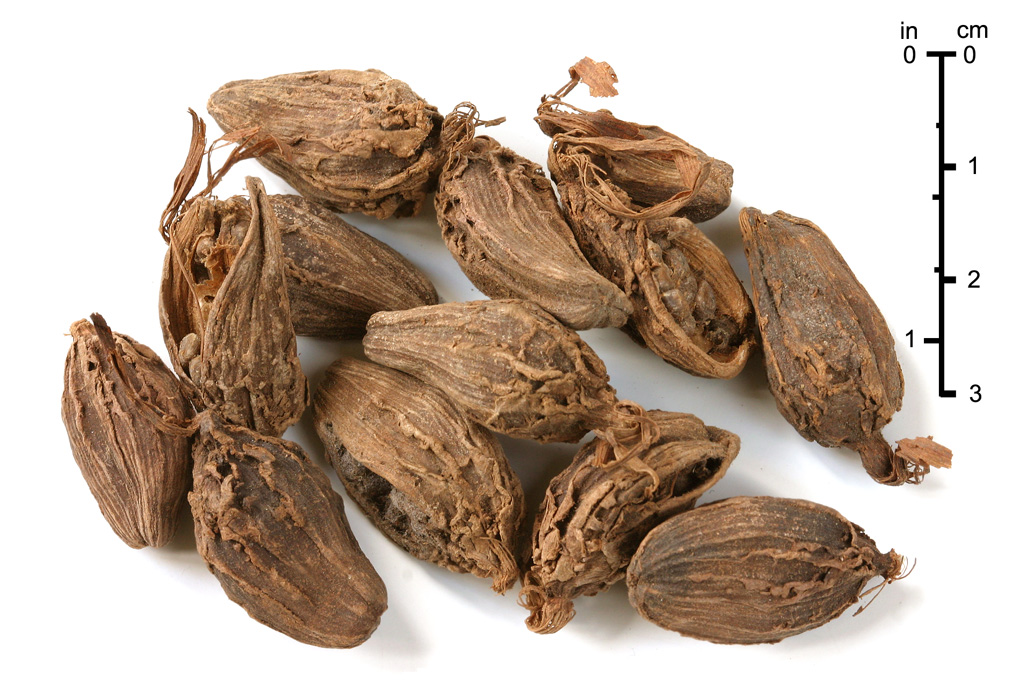
Large cardamom grows in shady, damp patches under alder trees on the slopes. From about August to October families harvest the red pods and dry them over wood fires in small kilns called bhatti. Ask your host to show you a field and a drying shed.
Rumtek and Sang nearby
Rumtek, the Karmapa's seat in exile, is 5–8 km up the road, and Sang Monastery, a Kagyu monastery from 1912, is a short drive further on. A night in Martam lets you visit Rumtek early, before the day-trippers from Gangtok arrive.
The story of Martam
How Sikkim's farms went fully organic
The rice, greens and pickles on a Martam homestay table belong to one of India's most unusual farming experiments. In 2003 the Sikkim government, under Chief Minister Pawan Kumar Chamling, announced that the state would turn entirely to organic farming, and began phasing out chemical fertilisers and pesticides. A state mission later trained farmers, certified fields and built up supplies of compost and organic inputs. In January 2016 Sikkim was declared India's first fully organic state, a step recorded in Wikipedia's article on Sikkim and widely reported at the time; in 2018 the policy received the gold Future Policy Award from the World Future Council and the UN Food and Agriculture Organization. The change has not been simple. Farmers have faced lower yields for some crops, pests and the cost of organic inputs, and debates continue over how strictly the rules are enforced and whether outside food entering the state is checked. In villages like Martam, though, it shapes daily life: compost heaps by the fields, local seed varieties, and families who will tell you exactly where your dinner was grown. Ask your hosts what changed for them.
Source: Wikipedia: Sikkim; World Future Council, Future Policy Award 2018
Little known
Things most visitors never hear
Sikkim was declared India's first fully organic state in January 2016, after a policy shift that began in 2003; Martam's paddy and vegetables are grown under those rules.
Source: Wikipedia: Sikkim
Large cardamom, grown in Martam under the shade of alder trees, is Sikkim's main cash crop, and the state has long been one of India's largest producers.
Source: Wikipedia: Black cardamom; Spices Board India
Paddy is planted here in June–July and harvested in October–November; the terraces are greenest in August and turn gold before the harvest.
Shared jeeps run from Gangtok towards Rumtek and Sang for about ₹80–150 a seat, but times change and the last returns are early. Ask your hotel for the current stand. Most homestay guests prefer a reserved car or a pickup arranged by the host.
Private car
A reserved small car from Gangtok to Martam costs about ₹1,500–2,000 one way, roughly 1–1.5 hours via Ranipool and Rumtek. Combine the drive with Rumtek and Lingdum for about ₹2,500–3,500. Your host can arrange a pickup for a fee.
From Bagdogra / NJP
Martam can be reached directly from Bagdogra (IXB) or NJP in about 4.5–5 hours, turning off NH10 at Ranipool, for about ₹3,500–4,500 for a small car. NH10 closes after monsoon slides; the alternative is via Kalimpong or Algarah. Check current status before you travel.
Indian travellers need no permit for Gangtok, Rumtek, Lingdum, Martam or Sang. Tsomgo Lake and Baba Mandir need a protected-area permit through a registered agent, usually filed the day before with ID and photos. Nathu La is for Indian nationals only, about ₹200 per person, usually Wednesday to Sunday. Cho La opened to domestic tourists in September 2025 on limited, escorted trips. Foreigners need the Sikkim restricted area permit, applied online on the e-FRRO portal, and may visit Tsomgo on a one-day pass in a group of two or more. Sikkim also charges a ₹50 tourist fee at hotels. Check current status before you travel.
Martam's stays are family homestays and small village guesthouses spread across the valley, with a couple of resort-style properties. We list them together as Martam village homestays and match you to a house: some have attached western bathrooms and views, others are simpler and closer to farm life. Expect about ₹1,500–2,500 per person a night with dinner and breakfast. For more comfort, stay in Gangtok, about an hour away, at Netuk House, The Chumbi Residency or Elgin Nor-Khill, and visit Martam for a day walk and lunch.
About 29–34 km, roughly 1–1.5 hours by car via Ranipool and Rumtek. A reserved small car costs about ₹1,500–2,000 one way. Shared jeeps run towards Rumtek and Sang, but times change, so most visitors use a car or a host pickup.
Is Martam worth an overnight stay?
Yes, if you want a quiet village night close to Gangtok. One night allows a village walk, a home-cooked dinner and an early Rumtek visit. Two nights let you slow down, add Sang Monastery or a cardamom field visit, and enjoy the place rather than pass through.
How much does a Martam homestay cost?
Indicatively, about ₹1,500–2,500 per person a night with dinner and breakfast in 2026, depending on the house and room. Houses with attached western bathrooms and views cost more. Check current rates before you travel. A few resort-style properties in the valley cost more.
What is the altitude of Martam?
Houses are spread across the slopes, roughly between 1,100 m and 1,500 m, below Rumtek. That is lower and milder than Gangtok, so nights are comfortable for most of the year. December and January nights are cool, and hosts provide heavy quilts.
Do we need a permit for Martam?
No. Martam lies outside the protected areas, so Indian travellers need no permit, and foreigners only need the Sikkim restricted area permit for entering the state. Carry ID for the Rumtek security check if you visit the monastery. There are no check posts on the road.
Can we walk from Rumtek to Martam?
Yes. It is a mostly downhill walk of roughly 6–8 km on village roads and footpaths, about 2.5–3 hours with stops. We recommend a local guide, since several paths branch through private farms. End with lunch or a night at a homestay.
When is the best time to visit Martam?
October and November for gold terraces, clear skies and harvest activity; March to May for mild weather and spring flowers; July and August for green terraces if you can accept rain, leeches and slower roads. December to February is dry and cool.
Is Martam suitable for families with children?
Yes. Children enjoy farm animals, streams and open space, and homestay families are used to young guests. Choose a house close to the road with an attached bathroom, carry a torch and basic medicines, and keep children away from field edges and streams after rain.
Is there mobile signal and electricity in Martam?
Mobile signal from the main networks is usually available, though patchy in some corners of the valley. Electricity is available, but power cuts happen in storms. Carry a power bank and torch. Wi-Fi is available only in some houses; ask when booking.
Every cost shownRooms, car, permits and our fee, itemised
One person to callFrom Bagdogra or NJP until you are back
No payment to startA deposit only when you book
Get my price
Want Martam in your plan?
Tell us your dates, who is travelling and roughly what you want to spend. We reply within one working day with a day-by-day route and an itemised price.
No payment to start
Permits handled through registered partners
Every hotel, car and fee listed
Price my Sikkim trip
Tell us dates, people and budget. You get a day-by-day plan and an itemised price within one working day.