Craft · Martam
Large cardamom fields and drying kilns
Visit a shady cardamom plot under alder trees with a farming family, see the red pods cut from the base of the plants, and watch them dried over a wood fire in a bhatti kiln. The story of Sikkim's main cash crop, told by the people who grow it.
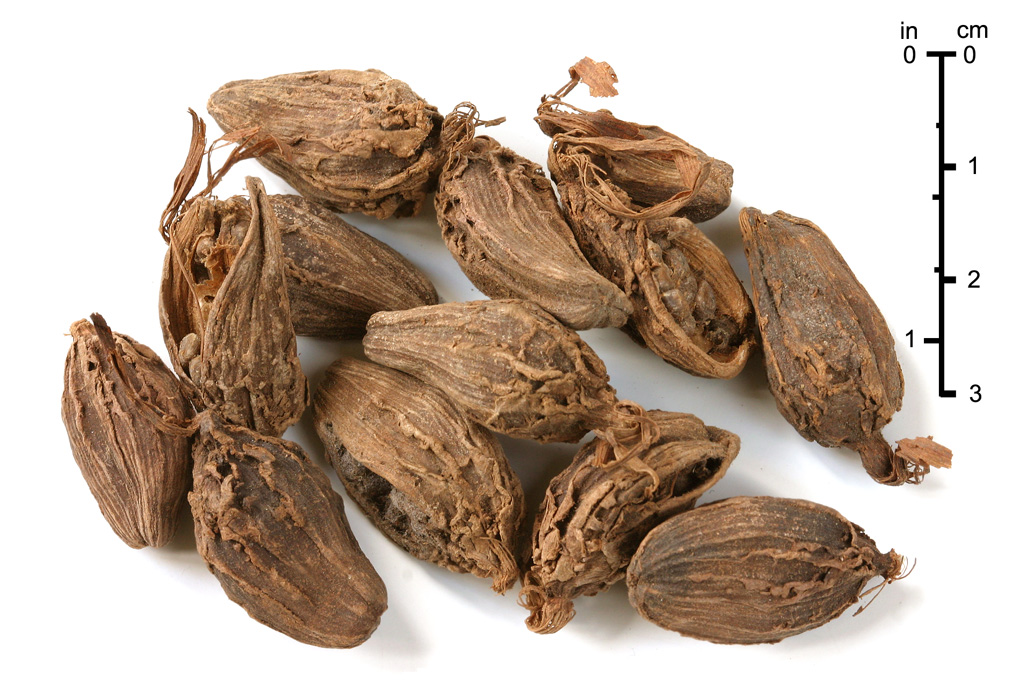
Photo: Brian Arthur · CC BY-SA 3.0, Wikimedia Commons
Large cardamom, also called black cardamom, is a tall plant that grows in damp, shady ravines and slopes, usually under alder trees that fix nitrogen in the soil. The pods grow in clusters at the base of the stems, close to the ground. Sikkim has long been one of India's largest producers of large cardamom, and for many hill families it is the main source of cash income.
From about August to October, families cut the pod clusters and carry them to a bhatti, a small kiln where they are dried over a wood fire for a day or two. The smoke gives the spice its distinctive flavour. If you visit at harvest time, you may see the drying in progress and the dried pods being cleaned and bagged for sale.
Ask your host how prices have moved and how plant diseases have affected yields in recent years. The plots are private and fragile, so walk where you are shown, do not pick pods and keep children close. Outside the harvest season, you can still see the plants and the kilns.
Good for
Questions travellers ask
Before you book
When is cardamom harvested in Sikkim?
Large cardamom is harvested from roughly August to October, depending on altitude and the year, with lower fields first. Drying in bhatti kilns follows within days. Outside those months you can see the plants and the kilns, but not the harvest work.
What is the difference between large and small cardamom?
Large cardamom, grown in Sikkim, has big, dark brown pods with a smoky, camphor-like flavour from fire drying, and is used in savoury dishes and spice blends. Small green cardamom, grown mainly in southern India, is sweeter and used in tea and desserts. They come from different plants.
Can we buy cardamom in Martam?
Sometimes, directly from a family if they have dried pods to spare, usually after the harvest. Prices follow the market, which changes from year to year. Buy only what is offered; do not ask families to sell their main crop. Shops in Gangtok also sell it.
Also in Martam
More hours worth planning
 Village life
Walking Martam's paddy terraces
Walk the field bunds and village paths of Martam with a local guide, through rice terraces, bamboo groves and hamlets. Green in …
 Food
Cooking and eating in a Martam kitchen
Join a farming family in their kitchen for a meal of home-grown rice, dal, local greens, gundruk or pickles, and perhaps chicken …
 Wildlife and birds
Morning birding around Martam
The mix of fields, bamboo, cardamom and forest edges around Martam draws a good variety of common Himalayan birds. An early walk …
Price your own route
Tell us dates, people and budget. We send a day-by-day plan with every cost shown. StartNot sure where to start?
We match districts to your month, your budget and the people travelling with you. StartAsk the Gangtok desk
An itemised quote within one working day. No payment to start. StartPackages
Trips that stop in Martam
 Budget
Top2,000M
Gangtok monasteries and food, 4 nights
Gangtok · Martam
Price your own route
Tell us dates, people and budget. We send a day-by-day plan with every cost shown. StartNot sure where to start?
We match districts to your month, your budget and the people travelling with you. StartAsk the Gangtok desk
An itemised quote within one working day. No payment to start. StartGet my price
Tell us your dates and your budget
Who is travelling, when, and roughly what you want to spend. The Gangtok desk replies within one working day with a day-by-day plan and an itemised price.
- No payment to start
- Permits handled through registered partners
- Every hotel, car and fee listed