
Wildlife and birds · Martam
Morning birding around Martam
The mix of fields, bamboo, cardamom and forest edges around Martam draws a good variety of common Himalayan birds. An early walk with binoculars can turn up bulbuls, sunbirds, drongos, barbets and laughingthrushes.
Photo: Dibyendu Ash · CC BY-SA 4.0, Wikimedia Commons
Birds are most active in the first hours after sunrise, so set out at about 6 am. Village edges, where fields meet bamboo and forest, are the richest spots. Even a short walk usually turns up common species such as bulbuls, drongos, sunbirds feeding on flowers, and the loud calls of barbets from the treetops. Laughingthrushes move in noisy groups through the undergrowth.
A local birding guide, arranged in advance from Gangtok, helps a lot with identification and knows where particular birds have been seen. For a longer, more serious outing, the forests of Fambong Lho Wildlife Sanctuary, on the ridge above the area, hold more specialised species, but need forest permission and a full day.
Bring binoculars, a field guide or app, and quiet clothes. Stay on paths and do not play recorded calls to attract birds, which disturbs breeding. October to May is the best season, with spring adding breeding plumage and song.
Good for
Questions travellers ask
Before you book
What birds can we see around Martam?
Common species include bulbuls, drongos, sunbirds, barbets, laughingthrushes, minivets and various flycatchers, depending on season. Rarer forest birds are more likely in Fambong Lho Wildlife Sanctuary nearby. We do not promise particular species; a good guide improves the list. Early mornings are best.
Do we need a guide for birding in Martam?
Not for casual birdwatching on village paths, but a birding guide helps with identification and knows recent sightings. Expect about ₹1,000–2,000 for a morning, arranged from Gangtok in advance. For Fambong Lho, forest permission and a guide are needed. Bring your own binoculars.
What is the best season for birding near Gangtok?
October to May. Winter brings clear weather and some altitudinal migrants down from higher forests, and March to May brings breeding plumage and song. The monsoon months are wet and leechy, with fewer birders about. Early mornings are best in every season.
Also in Martam
More hours worth planning
 Village life
Walking Martam's paddy terraces
Walk the field bunds and village paths of Martam with a local guide, through rice terraces, bamboo groves and hamlets. Green in …
 Food
Cooking and eating in a Martam kitchen
Join a farming family in their kitchen for a meal of home-grown rice, dal, local greens, gundruk or pickles, and perhaps chicken …
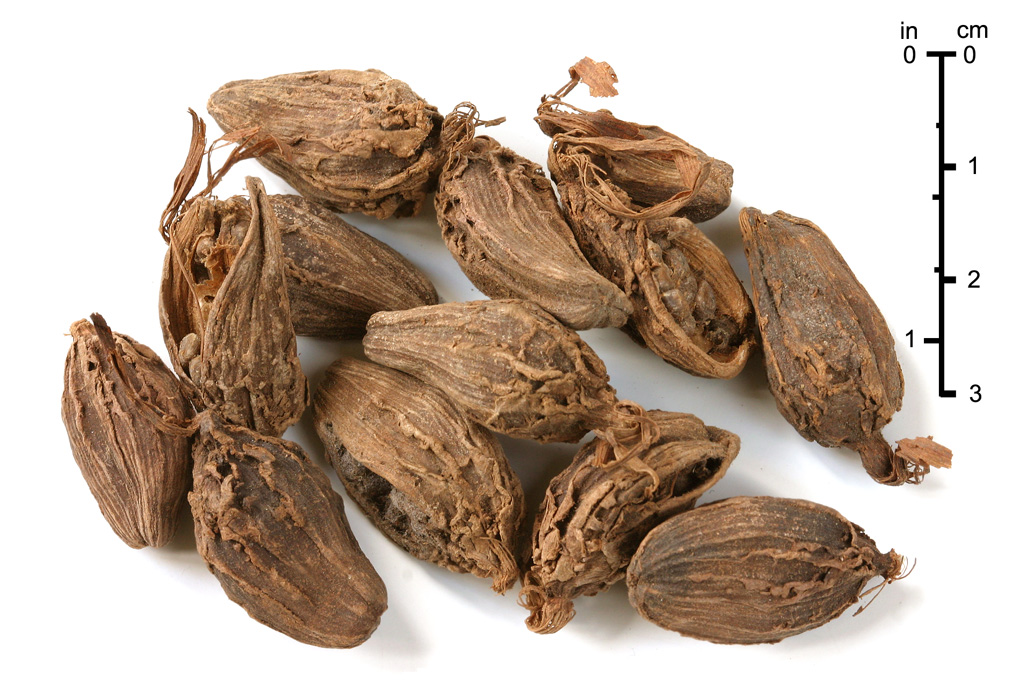 Craft
Large cardamom fields and drying kilns
Visit a shady cardamom plot under alder trees with a farming family, see the red pods cut from the base of the …
Price your own route
Tell us dates, people and budget. We send a day-by-day plan with every cost shown. StartNot sure where to start?
We match districts to your month, your budget and the people travelling with you. StartAsk the Gangtok desk
An itemised quote within one working day. No payment to start. StartPackages
Trips that stop in Martam
 Budget
Top2,000M
Gangtok monasteries and food, 4 nights
Gangtok · Martam
Price your own route
Tell us dates, people and budget. We send a day-by-day plan with every cost shown. StartNot sure where to start?
We match districts to your month, your budget and the people travelling with you. StartAsk the Gangtok desk
An itemised quote within one working day. No payment to start. StartGet my price
Tell us your dates and your budget
Who is travelling, when, and roughly what you want to spend. The Gangtok desk replies within one working day with a day-by-day plan and an itemised price.
- No payment to start
- Permits handled through registered partners
- Every hotel, car and fee listed