Kewzing is a Bhutia farming village at about 1,550 m, roughly 9–10 km and 25 minutes below Ravangla on the road to Legship. It is known for a community homestay programme started in 2003, run by a village committee that shares guests between families, and for a Bon monastery, one of very few in India.
Best months
Oct–Dec and Mar–May
Nights we suggest
1–2
From Gangtok
≈ 75 km · 3–3.5 h
Altitude
≈ 1,550 m
Known for
Community homestays, Bon monastery, farm life
Permit
Not needed for Indians; foreigners need the Sikkim RAP
About Kewzing
What to know before you go
Kewzing lies on the slope west of Ravangla, where the road drops through cardamom, maize and vegetable plots towards Legship and the Rangeet. Most households are Bhutia Buddhist families who still farm, and prayer flags and small chortens mark the paths between houses. At about 1,550 m it is a little warmer than Ravangla, and on clear mornings Kangchenjunga, Kabru and Narsing show above the West Sikkim hills. Houses are spread along the road and the paths below it, so the village feels open rather than crowded.
What makes Kewzing different is how its tourism works. In 2003 villagers began hosting guests in their own homes, and they formed an elected body, the Kewzing Tourism Development Committee, to spread visitors fairly between participating families rather than letting one or two homes take every booking. Down To Earth magazine reported on the model as an example of community tourism in Sikkim. For you, that means a simple room, home-cooked food and a host who can explain the village.
Kewzing is also home to a Bon monastery. Bon is the religious tradition that predates Buddhism in Tibet and continues alongside it, and Bon monasteries are rare in India. Add a monastery walk, farm work in season and an easy drive to Ravangla's Buddha Park and Ralang, and Kewzing makes a good two-night stop between Pelling and Namchi. Most guests stay two nights: one day for the village and its monasteries, another for the sights up the hill or simply for sitting still among the fields.
Highlights
What to see and do
Community homestays
Sleep in a Bhutia family home under a programme the village has run since 2003. A village committee shares guests between families. Rooms are simple and clean, meals are home-cooked, and hosts are farmers who can show you their fields and kitchens. About ₹1,500–2,500 per person a night with meals.
Kewzing's Bon monastery
A small monastery of the Bon tradition, which predates Buddhism in Tibet. Bon monasteries are rare in India. Visit quietly with your host, remove shoes inside and ask which way to circle the shrine: Bon practice goes anticlockwise.
Monastery and viewpoint walk
Your host can point you to a walking route that links Kewzing's monasteries, chortens and viewpoints in two to three gentle hours. Kangchenjunga and Narsing show above the West Sikkim hills on clear mornings from October to February.
Cardamom season
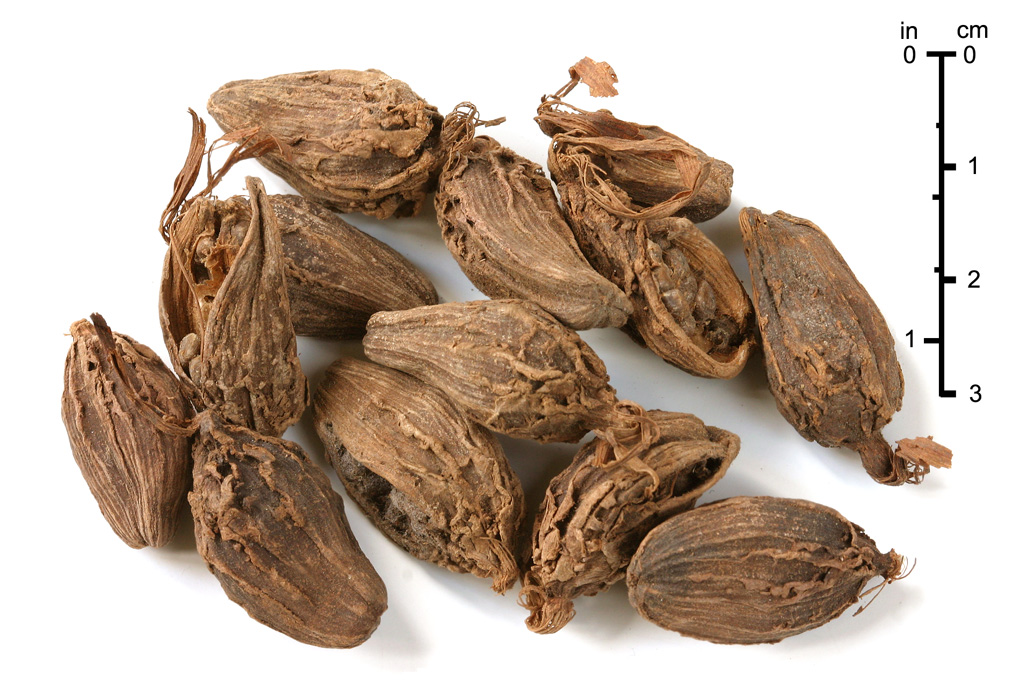
From about August to November, families pick large cardamom in the shaded gullies and dry the pods in smoky kilns. Ask to watch or help. Sikkim is India's largest producer of large cardamom, and it is the main cash crop for many Kewzing households.
Twenty minutes to Ravangla
Buddha Park and its 130 ft Buddha, the Ralang monasteries and the Maenam forest trail are all a short drive up the hill, so Kewzing works as a quieter base for Ravangla sightseeing, and as an overnight on the road between Pelling and Namchi.
The story of Kewzing
Bon, the older faith of the Tibetan world
Visitors to Kewzing often assume every monastery in Sikkim is Buddhist. One here is not. Bon is the indigenous religious tradition of Tibet, older than the arrival of Buddhism in the 7th and 8th centuries, and it survived the centuries in which Buddhism became dominant. Wikipedia's article on Bon describes how the modern tradition, sometimes called Yungdrung Bon, developed its own canon, monasteries and monastic training, and traces its teachings to a founder figure named Tonpa Shenrab Miwoche rather than to the Buddha. To an outsider a Bon temple looks much like a Buddhist one: prayer flags, butter lamps, painted murals and monks in maroon robes. Look closer and the differences show. Bon practitioners walk around shrines and turn prayer wheels anticlockwise, the reverse of Buddhist practice, and the swastika, an ancient symbol of permanence, points the other way. Kewzing's small Bon monastery serves the local followers of this tradition. Visit quietly, follow the lead of the caretaker, and when you circle the shrine, ask which way to walk.
Source: Wikipedia: Bon; Kewzing village, as told locally
Little known
Things most visitors never hear
Kewzing's homestays are allocated by an elected village body, the Kewzing Tourism Development Committee, so income is shared between families rather than concentrated in a few homes.
Source: Down To Earth
In Bon practice, shrines and stupas are circled anticlockwise, the opposite of the clockwise walk used at Buddhist monasteries such as nearby Ralang.
Source: Wikipedia: Bon
The road through Kewzing links Ravangla with Legship on the Rangeet, the usual route for cars driving between Ravangla and Pelling, about 45–50 km in all.
Shared jeeps between Ravangla and Legship pass through Kewzing during the day for about ₹50–100 a seat, and Ravangla is about 3 hours from Gangtok by shared jeep at ₹250–400. Ask the driver to drop you at Kewzing and call your host. Fares are indicative; check current status before you travel.
Private car
A reserved small car from Ravangla costs about ₹600–900 for the 9–10 km. From Gangtok a car straight to Kewzing costs about ₹4,000–5,000, and from Pelling, about 35–40 km via Legship, roughly ₹2,500–3,500. Many guests stop here on a Pelling–Ravangla–Namchi loop.
From Bagdogra / NJP
About 130 km and 5 hours via NH10, Melli, Namchi and Ravangla, or via Jorethang and Legship, for about ₹6,000–7,500 by reserved car. When NH10 is closed by monsoon slides, drivers route through Darjeeling district and Jorethang, which suits Kewzing well.
Permits in South Sikkim
Indian nationals need no permit anywhere in Namchi district. Foreign nationals need the standard Sikkim Restricted Area Permit, applied online through the e-FRRO portal after arriving in India since 12 January 2026, with approval usually in 24–48 hours; no extra protected-area permit is needed for South Sikkim as we understand it. Sikkim collects a ₹50 per tourist entry fee at hotels, valid 30 days, with under-fives exempt. Forest department rules and fees may apply in Maenam and Kitam sanctuaries. Check current status before you travel.
Most visitors stay in the village homestays, booked through the community programme, at about ₹1,500–2,500 per person a night with meals; we match guests to families we know. For a little more comfort, Bon Farmhouse is a family-run farmstay among tea, cardamom and vegetable fields near the Bon monastery, at about ₹3,000–5,500 a room. Ravangla, 20–25 minutes up the hill, has hotels such as Mt. Narsing Village Resort and The Barfung Retreat.
Yes, for travellers who want a real village stay rather than a hotel. Kewzing has a well-organised community homestay programme, a Bon monastery that is rare in India, easy village walks and a short drive to Ravangla's sights. It is quiet: come for conversation, farms and views rather than a sightseeing list.
How far is Kewzing from Ravangla?
About 9–10 km, around 20–25 minutes by car, on the road from Ravangla towards Legship. A reserved small car costs about ₹600–900, and shared jeeps on the Ravangla–Legship road pass through for around ₹50–100 a seat. Fares are indicative; check current status before you travel.
How do Kewzing homestays work?
Since 2003 the village has run a community programme in which an elected committee shares guests between participating families. You stay in a family home, usually with an attached bathroom, and eat meals with or prepared by your hosts. Expect about ₹1,500–2,500 per person a night with meals.
How far is Kewzing from Gangtok?
About 75 km, roughly 3–3.5 hours by road via Singtam and Ravangla. A reserved small car costs about ₹4,000–5,000 one way. On a budget, take a shared jeep from Gangtok to Ravangla, about ₹250–400, then a local jeep or taxi down to Kewzing.
Can we visit Kewzing on the way from Pelling to Namchi?
Yes, it fits naturally. The road from Pelling runs via Legship and climbs through Kewzing to Ravangla, then on to Namchi. A night in Kewzing breaks the drive into two easy halves and lets you see Buddha Park and Ralang without staying in a busier town.
What is the best time to visit Kewzing?
October to December for clear views and the end of the cardamom harvest, and March to May for warm days and spring flowers. Winter nights are cold but days are sunny. June to September is the monsoon, with heavy rain, leeches on field paths and occasional road slips.
Do we need a permit for Kewzing?
Indians need no permit. Foreign nationals need the standard Sikkim Restricted Area Permit, applied online through the e-FRRO portal since January 2026, but no extra protected-area permit for Kewzing. Homestays collect Sikkim's ₹50 per tourist entry fee. Check current status before you travel.
Is Kewzing good for families with children?
Yes. The village is safe and quiet, altitude is low at about 1,550 m, and children usually enjoy farm animals, fields and helping in the kitchen. Rooms are simple, so pack a torch, warm layers and any snacks your children rely on. Medical care is in Ravangla or Namchi.
What is there to do in Kewzing?
Walk the village trail linking monasteries and viewpoints, visit the Bon monastery, join your hosts in the fields or kitchen, and in autumn watch cardamom being dried. Day trips to Buddha Park, Ralang, Borong and Temi tea garden are easy by car. Most guests simply slow down for a day.
Every cost shownRooms, car, permits and our fee, itemised
One person to callFrom Bagdogra or NJP until you are back
No payment to startA deposit only when you book
Get my price
Want Kewzing in your plan?
Tell us your dates, who is travelling and roughly what you want to spend. We reply within one working day with a day-by-day route and an itemised price.
No payment to start
Permits handled through registered partners
Every hotel, car and fee listed
Price my Sikkim trip
Tell us dates, people and budget. You get a day-by-day plan and an itemised price within one working day.